
Why are animals in Australia so weird?
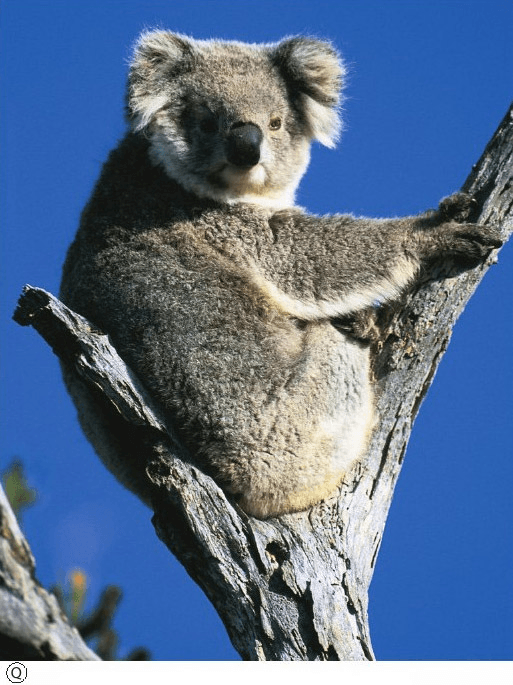
We call kangaroos, koalas, opossums, etc. whose pups develop in the maternal pouch in Australia and parts of South America as marsupials, while other animals whose embryos develop in the maternal placenta are called placental animals.
In Europe, Asia, North America and Africa, because their pups fully develop in the mother, the post-birth mortality rate is greatly reduced, so they quickly replaced marsupials with relatively high birth mortality rates in the competition for survival.
Due to crustal movement, the Australia land plate was separated from the ancient continent known as the "Pangaea" relatively early. The vast ocean became a natural barrier between it and other continents, preventing the original marsupials. Genetic exchange between marsupials and evolved placental animals has enabled the full development of marsupials in this area. Australia's diverse forests, grasslands and desert environments also provide a relatively rich habitat for various animals, forming adaptive evolutionary groups similar to placental animals on other continents, and many strange species unique to Australia, such as kangaroos corresponding to herbivores, Tasmanian Tasmanian badgers, which correspond to carnivores. This is a product of geographical isolation.
A similar "island effect" formed by ocean isolation also occurs on Madagascar Island on the east coast of Africa. In that magical place, many unique animals such as lemurs and ring-tailed mongoose have evolved, becoming a unique feature in the world's animal treasure trove.