
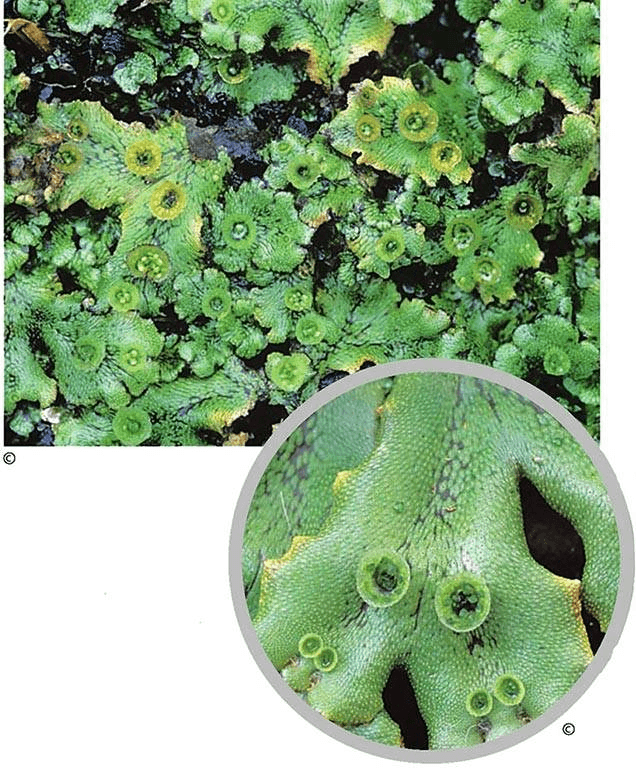
Bryophytes are indeed "dwarfs" among plants, usually only a few centimeters tall. Their leaves consist of only a single layer or a few layers of cells, so their surface area in contact with the external environment is large. Moreover, the stem and leaf surfaces of bryophytes lack the protection of waxy cuticle, and the dorsal and ventral sides can directly absorb nutrients from the air. It is these structural characteristics of bryophytes that make them very sensitive to changes in the surrounding environment, which can be 10 times more sensitive than seed plants! There are slight changes in pollution in the atmosphere, such as sulfur dioxide produced by burning coal and waste gas emitted by chemical plants. It can feel and react it. Coupled with the ease of materials and the simple and economical investigation methods, bryophytes are widely used as indicator plants for environmental changes and can be called "forecasters" for monitoring environmental changes.
In 1968, at a seminar on the effects of air pollution on animals and plants held in Wageningen, the Netherlands, bryophytes were recommended as indicator plants of air pollution along with lichens. In recent years, bryophytes 'monitoring of gaseous pollutants such as sulfur dioxide, chlorides, and ozone in the atmosphere, as well as some metal ions, has been widely recognized. Using ecological methods to investigate the bryophytes in the monitored area, especially the types, richness, growth status and distribution of bryophytes attached to tree trunks, and drawing a pollution grading map can clearly show the degree and scope of air pollution. For example, it will be found near the pollution source. The closer you get to the pollution source, the fewer and even completely disappear.