
Everything in the world has a name, and plants are no exception. A long time ago, when humans began to deal with plants, they gave each plant a name. Naming humans, animals, plants and even every object is for the need to identify and distinguish, and it is also one of the earliest social behaviors formed by our humans. However, the names formed by these habits often cause trouble. Due to geographical barriers, the same plant has different names in different places. If you are not from Guangzhou, you must not know what a potato is. In fact, it is a potato. Potatoes also have various names in China. Northerners often call them potatoes and yam eggs, and southerners generally call them potatoes. In addition, there are some special names: for example, Shanghai is called foreign sweet potato, southern Shandong is called land bean, Italy is called land apple, France is called land apple, Germany is called land pear, the United States is called Irish bean potato, Russia is called Dutch potato, etc. It can be seen that not only all parts of China, but also countries around the world have their own special names and writing methods. It is no exaggeration to say that there may be hundreds of names!
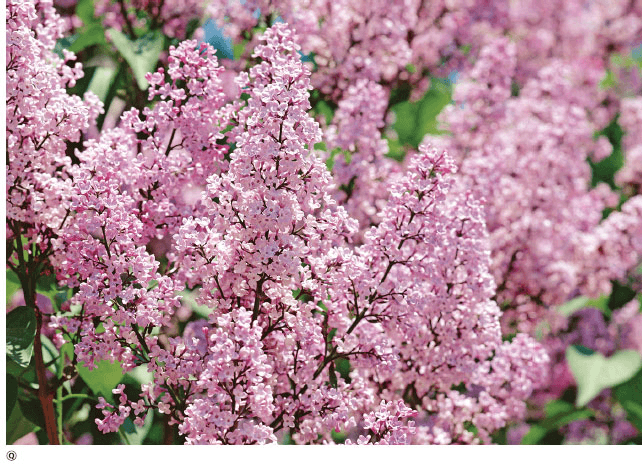
In addition to geographical isolation that leads to different plant names, the same plant also has different names in different periods. For example, osmanthus, which everyone is familiar with now, was called osmanthus during the Ming and Qing Dynasties, but was called Yanguthus during the Tang and Song Dynasties. Sometimes, the same name can represent different plants. For example, when it comes to cloves, you will think of small trees with beautiful purple flowers in spring, a deciduous garden plant in the Oleaceae family. But the clove mentioned in traditional Chinese medicine has nothing to do with it, referring to an evergreen plant in the Rubiaceae family. In ancient times, lilac referred to a shrub of the Daphne family. "One thing with multiple names" and "one name with multiple things" like this will inevitably cause chaos and hinder the development of science. In order to avoid this confusion, the world's first International Code of Plant Nominations was passed in Paris in 1867, stipulating that a plant can only have one legal and correct name-scientific name. Scientific names are written in Latin and must comply with the provisions of the Regulations.
The scientific names of plants are named using the "double name method", and each scientific name consists of two Latin words or Latinized words. The first word is the genus name, indicating the genus in which the species belongs. The first letter of the genus name must be capitalized. The second word is called a species additive, usually using a Latin adjective to express the characteristics of the species. The first letter is always lowercase. These two words together form the species name of the plant, which is its scientific name. This is similar to the composition of China names. The first word of our name is the surname, indicating our ancestry; the second word (or two words) is the first name, indicating the individual's position in this ancestry. Last name and first name together become a person's name and are used to identify themselves. At the same time, the plant naming regulations also require that the name or initials of the named person should be added after the species additive to show responsibility and facilitate verification by future generations. For example, the scientific name of the famous Chinese medicinal herb ginseng is Panax ginseng C.A. Mey. The generic name Panax is a substance believed by the ancient Latins to cure all diseases. There are seven species of plants in this genus, all of which have the same genus name as Panax, but their species supernumerals are different. The species additive ginseng for ginseng is the Latinized Chinese "ginseng". The name named C.A. Mey. is the abbreviation of a Russian botanist. The scientific name of American ginseng, a plant belonging to the same genus, is Panax quinquefolius L. The Latin word quinquefolius means "five-leafed", which means that its leaves have five small leaflets. The name Linnaeus is Linnaeus, the father of biological classification.