
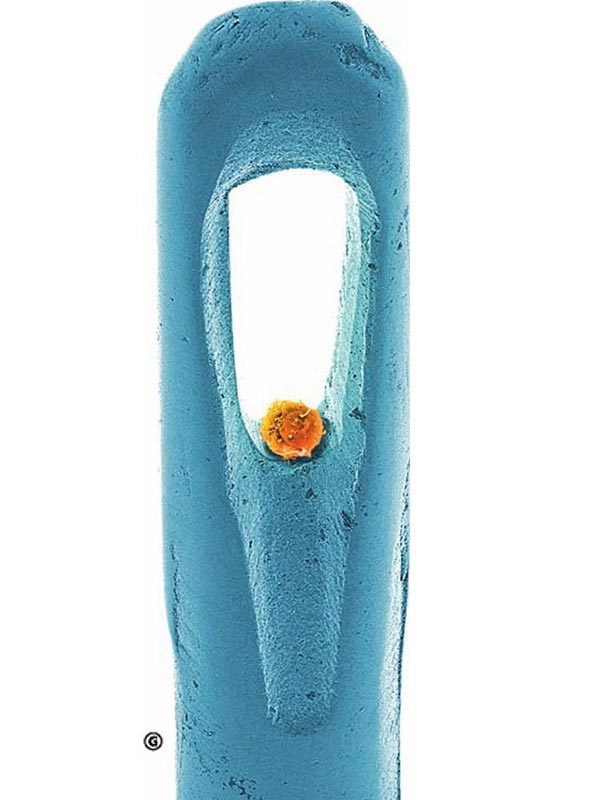
Stem cells can constantly renew themselves and can also transform into one or many specific types of cells. Judging from the "ability" of stem cells to transform all types of cells in the adult body, they do have the hope of becoming an endless "warehouse" for replacing human tissues and organs.
To understand why stem cells have such "ever-changing" capabilities, we need to look at the differences between various cells. There are various cells in the human body, such as nerve cells in the brain, liver cells in the liver, myocardial cells in the heart, white blood cells in the blood, etc. They not only have different functions, but also have different external shapes. If you "drill" into a cell and "take a look", you will find that the types of proteins are different in different cells. Since all life activities are specifically "performed" by proteins, the type of protein in each cell can not only determine the structure of the cell, but also determine its function.
If protein is compared to a telegram, then DNA is the secret code that determines the content of the telegram. Since different cells synthesize different proteins, are their DNA different? The answer may surprise you: the DNA composition is the same in all different types of cells, which means that each cell carries a complete set of "secret electrical codes". Since every cell has the genetic code for all types of proteins, why are there so many cells with different types of proteins?
The secret is that no cell can use all passwords, but you use this part of the password and I use the other part of the password. Due to the different codes used, the proteins synthesized are different, and the cells containing these proteins are of course different. So in theory, if the codes used by the two cells can be reversed, one cell can become the other. In contrast to these cells, stem cells are cells that are in a "standby" state. They can be transformed into specified types of cells as needed. Transformation from the same type of cells into more than two types of cells is called differentiation. For example, transformation of a fertilized egg into hepatocytes, cardiomyocytes, etc. is differentiation.
The relationship between them can be illustrated with an imaginary metaphor: cells are like restaurants, the proteins in cells are like dishes made in restaurants, and DNA is the recipe. There are recipes for all dishes in every cell of every organism, but they are only made into a small number of dishes, and most of the dishes still need to be developed. Stem cells can be made into new dishes at any time as needed.
In the human body, stem cells can only replace damaged or dead cells under normal circumstances, but are "timid" in many disease conditions and cannot fully perform their repairing function. Moreover, the human body has strict regulations on the division of labor of cells. Each type of cell can only do the work assigned to it, and is not allowed to "meddle in" the work of other cells. For example, there are only a few thousand auditory cells in a human ear. When some of them are damaged, although there are tens of thousands of other cells around them, they cannot take over the work of auditory cells, and people's hearing will decline. Stem cell technology is to break the restriction that cells cannot be replaced, making stem cells an "all-round athlete" who can replace any kind of damaged or dead cells.
One way is to extract ready-made stem cells, proliferate them under artificial culture conditions, and then use various culture conditions to "induce" them to become the cells we need. Nowadays, human stem cells can be obtained from early embryos, amniotic fluid, cord blood, bone marrow, thymus, skin, small intestine, brain, eyes, pancreas, liver, fat, muscles and other places. However, the number of ready-made stem cells is limited after all, and isolation and extraction are difficult.
In order to overcome these difficulties, scientists have taken a different approach and used differentiated cells to "make" stem cells. In 2005, Nobu Yamanaka of the Institute of Regenerative Medicine at Kyoto University in Japan used retroviruses to transport four genes into mouse skin cells. The mouse skin cells actually turned into pluripotent stem cells after receiving foreign genes. By 2007, Nobu Yamanaka and researchers in the James Thomson laboratory of the University of Wisconsin in the United States used genetically modified methods to turn human skin cells into stem cells. For this reason, Nobu Yamanaka and Gordon won the 2012 Nobel Prize in Physiology and Medicine.