
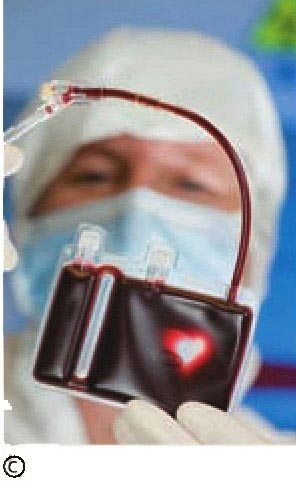
The clinical application of stem cell technology has achieved many results. For example, stem cells can be transformed into various cells such as cartilage cells, muscle cells, liver cells, hair follicle cells, nerve cells, etc. in vitro, and can be used to treat cartilage and joint injuries, myocardial necrosis, liver damage, baldness and diseases of the nervous system, such as spinal cord injury and Parkinson's disease. Scientists have also successfully used stem cells to grow sperm and eggs, hoping to allow infertile couples to have their own babies. Stem cells can also be used to cultivate auditory cells and photosensitive cells, which is hopeful that deaf people can hear sounds and blind people can restore their vision. Not only that, scientists are also working hard to grow stem cells into patches of skin and cornea, form new blood vessels, and even grow into more complex organs. In this way, we will have an inexhaustible and inexhaustible organ bank, and we no longer have to worry about the source of organs. If any organ is broken, just replace it.
All these possibilities are so tempting. However, stem cell technology has not been around for a long time. Currently, it mainly makes some repairs at the cell level, and more are still in the research and experimental stage. Replacement at the organ level remains a distant goal. Nowadays, although the door to using stem cells to treat diseases has been opened and the prospects of stem cell therapy are encouraging, in addition to considering the cost and safety of treatment, it is more important to identify false publicity and hype.