
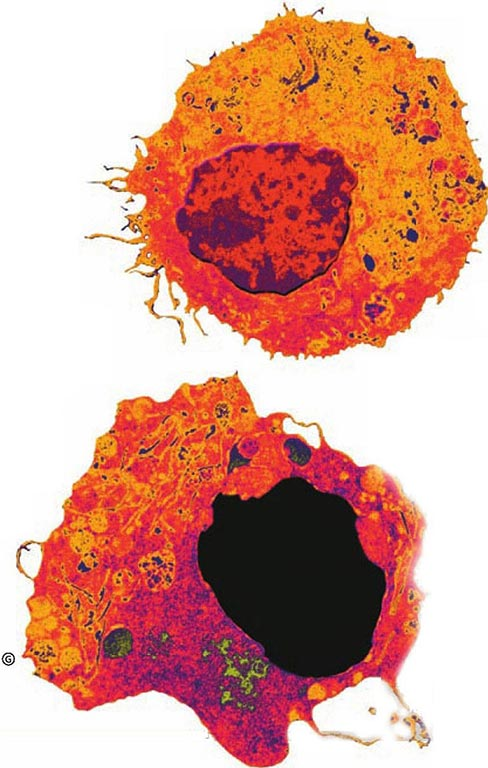
In the same organism, not only will cells with the same genome differ in terms of shape, function, characteristics, etc., but also the same cell will differ in terms of biochemical characteristics at different time periods. This is like many TVs of the same model showing different TV programs at the same time, and the same TV can also show different programs at different time periods. The differences in programs on the TV screen are due to different channels or different programs being played on the same channel at different times, while the differences in cells or the same cell at different time periods are due to different gene expression. In the two genomes of human cells, there are a total of 20,000 to 30,000 genes. However, these genes are not expressed together at the same time, but only some different genes are expressed in different cells, and the genes expressed in the same type of cells at different times may also be different. Among all genes, the expression of only some different genes is called "sequential expression" or "differential expression." Cell differentiation is the result of differential expression of genes.
For example, red blood cells in the human body are responsible for transporting oxygen, and red blood cells can transport oxygen entirely through the hemoglobin in them. One hemoglobin molecule consists of 4 peptide chains. It is now known that the structure of hemoglobin is different in human embryonic, fetal and adult periods: three types of hemoglobin exist at the same time in the embryonic period, one type of hemoglobin is mainly present in the fetal period, and another type of hemoglobin is mainly present in the adult period. Hemoglobin is different because of the different types of peptide chains, and each polypeptide is determined by a gene, because hemoglobin has 5 different polypeptides, each polypeptide has its own corresponding gene. In this way, at each stage of life, as the genes were "opened" and "closed" and expressed in sequence, a harmonious life concerto was played!