Why do moose have such large antlers?
This article focuses on the question of "why moose have such large antlers", and introduces the basic characteristics of moose, the general properties and growth characteristics of antlers in deer species, as well as the functions of antlers in different deer species and the special role of moose's large antlers in sound amplification
Why does Santa Claus use reindeer to deliver gifts?
This article takes "Why Santa Claus uses reindeer to deliver gifts" as the theme. By introducing the physical characteristics of reindeer, their physiological advantages in adapting to snowy environments, and their gentle and easy-to-train personalities, it explains why Santa Claus chooses reindeer to pull his sleigh. At the same time, it mentions that reindeer are an important means of transportation and livestock for the Evenki people in China, and are known as "ships of the forest", with multiple uses.
Why can camels travel long distances in the desert?
This article focuses on the question of "why can camels travel long distances in the desert", and introduces several adaptive skills of camels to the desert environment, including storing fat in their humps, a special water-saving and water-storage mechanism, their body structure for preventing sand, and their body structure and behavior for withstanding high temperatures. At the same time, it explains the current situation that wild camels are rare due to human activities and the related protection measures.
Why do cows keep chewing on things non-stop?
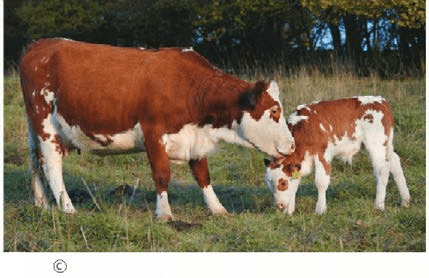
This article focuses on the question of "why do cows keep chewing things?" It explains the principle that cows, as ruminants, return food in their stomachs to their mouths to chew again in order to digest the cellulose in grass. At the same time, it introduces the structure of the stomach of ruminants, the process of rumination, and the special ways that other herbivores digest cellulose.
Why are herbivorous cattle and horses so strong?
This article focuses on the question of why herbivorous cattle and horses are so strong, introducing the social background of cattle and horses as important draft animals in ancient times, and explaining the reasons from two aspects: the physiological mechanism of cattle and horses obtaining energy from cellulose in decomposed grass, and their body size and weight far exceeding that of humans.
How do herbivores that don't eat meat grow muscles?
This popular science article focuses on the question of "how do herbivores grow muscles if they do not eat meat?" and explains the growth logic that muscles are mainly composed of protein, which needs to be broken down into amino acids through the digestive tract and transported to muscle cells to re-synthesize muscle protein. It explains the principle that herbivores choose a plant-eating strategy because plant food is easier to obtain, and they can obtain sufficient and comprehensive nutrients and amino acids through eating a large number of and diversified plants to grow muscles.
Why are bears so greedy in autumn?
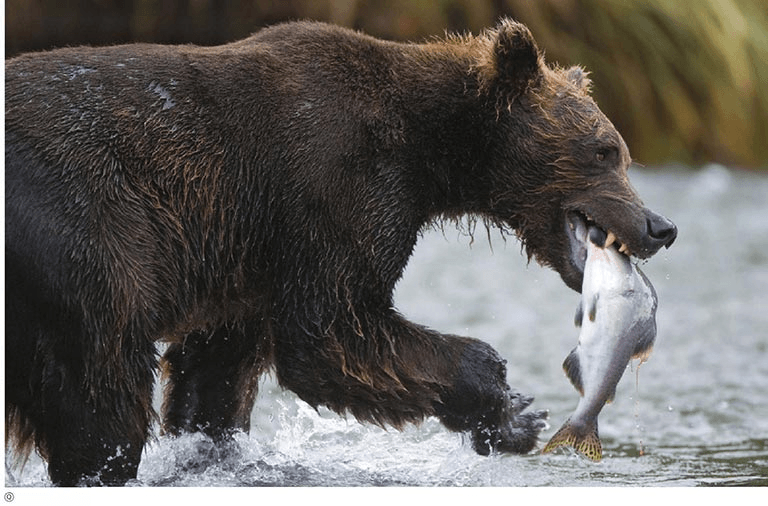
Focusing on the question of "why are bears particularly greedy in autumn?" This article introduces the classification, distribution, appearance characteristics and living habits of the three bears distributed in China: brown bears, black bears, and Malay bears. It shows that in addition to Malay bears that inhabit the tropics and have sufficient food all year round, brown bears and black bears need to enter a state similar to hibernation in winter to survive the food shortage period. Pregnant female bears also need to give birth and nurse during this period. Therefore, they need to eat large amounts of fat in autumn to survive the winter. At the same time, it is mentioned that bear hibernation is not deep hibernation, and it is dangerous to encounter wild bears in autumn or early spring.
Is it useful to play dead when encountering a bear?
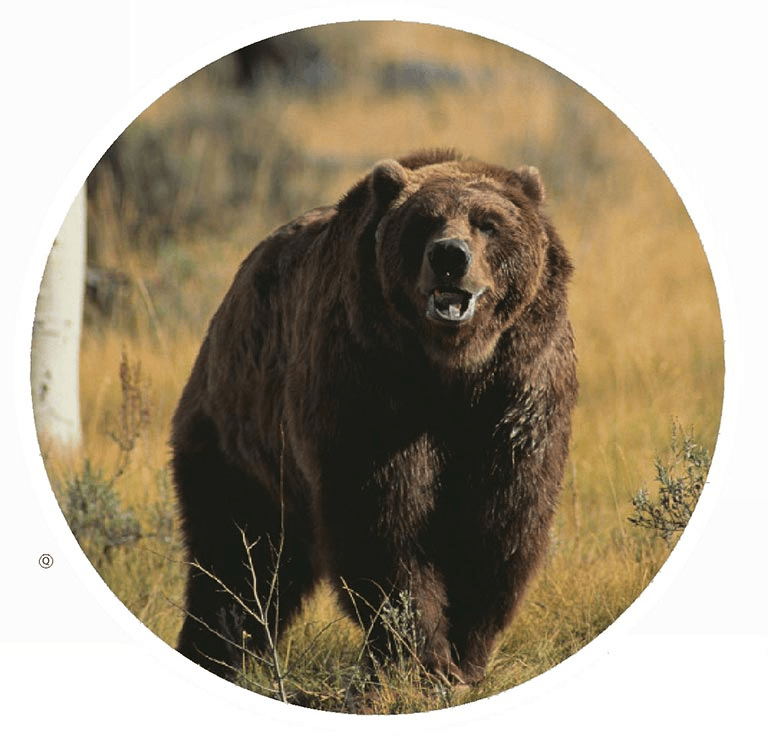
This article focuses on the question "Is it useful to pretend to die when encountering a bear?", pointing out that bears will not turn around and leave just because the other person is dead. Playing dead is not a reliable way to deal with a bear. It also introduces specific coping methods in different bear encounter scenarios, and fundamental preventive suggestions for staying away from bear-infested areas.
Is the red panda a giant panda's baby?
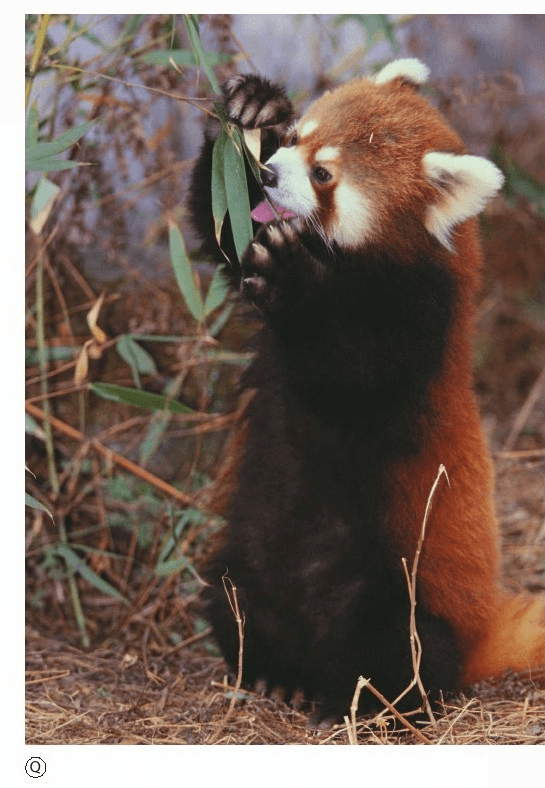
This article answers the question "Is the red panda a baby of a giant panda", clarifies that the red panda is an independent species with agile skills, and introduces its appearance characteristics, alias, distribution range and subspecies, feeding characteristics, and similarities with the giant panda., cat-like activity habits and current rare living status.
Why giant pandas eat bamboo are carnivores?
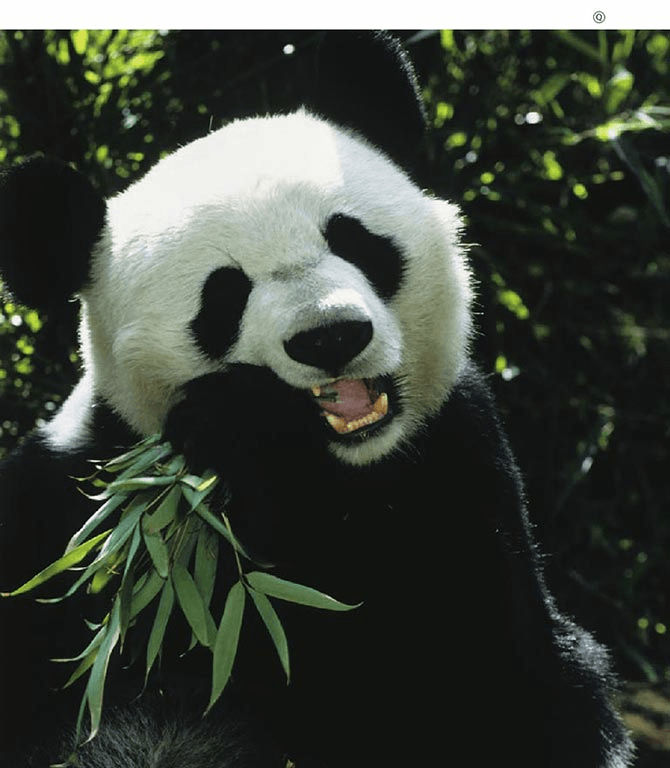
This paper focuses on the question of "Why are giant pandas that eat bamboo carnivore?" and answers the questions from the aspects of classification, body structural characteristics, evolution of bamboo-eating habits, and related examples of still retaining occasional carnivore behavior.
Are foxes really cunning?
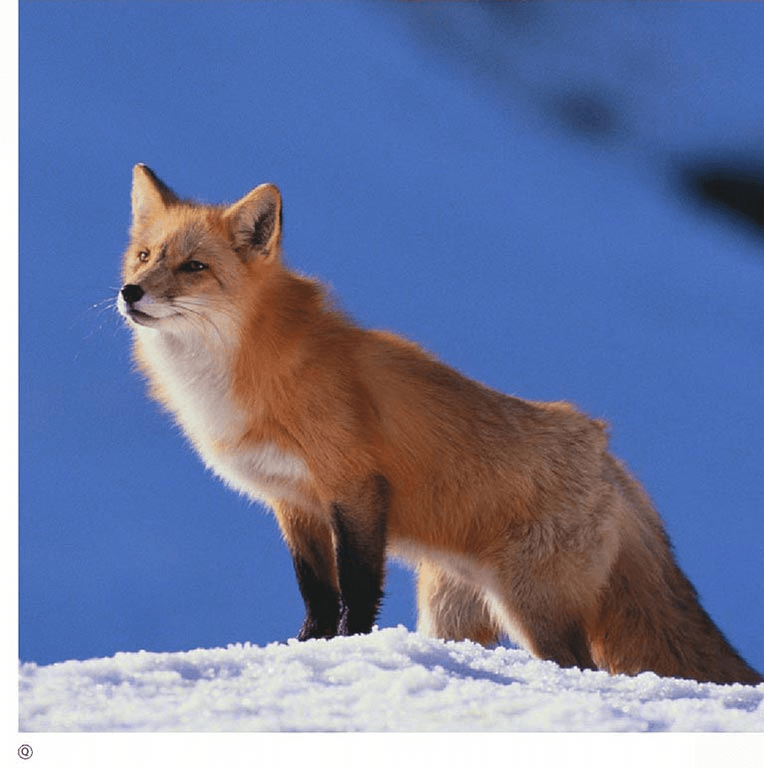
This article focuses on the question of "Are foxes really cunning?", explaining that foxes and beavers are two different genera of canids. People usually refer to foxes of the genus Foxus. Because foxes belong to the group of Carnivorans, foxes have evolved into suspicious and diverse abilities. They are not really malicious and cunning, but are actually timid, docile and intelligent animals.
Who is the most stinky animal?
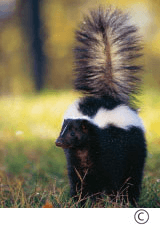
This article focuses on the question of "Who is the most smelly animal?" and points out that the most smelly animal in the world is a skunk rather than a weasel. It introduces basic information such as the classification, distribution, diet, and appearance of skunk, focusing on the story of its smelly glands. The smelly liquid sprayed out still smells a hundred meters away. It can stun predators and stick to clothes for months. Its smelly glands will be removed when it is raised in zoos. There are even claims that skunk can rely on its smelly fart to fight off tigers, lions and other beasts.