Earth Sciences

Earth science studies Earth’s interior, surface, atmosphere, biosphere and celestial links, covering planetary evolution, resources, environment and geological hazards.
What is the earth's "childhood" like?

What is the earth's "childhood" like?

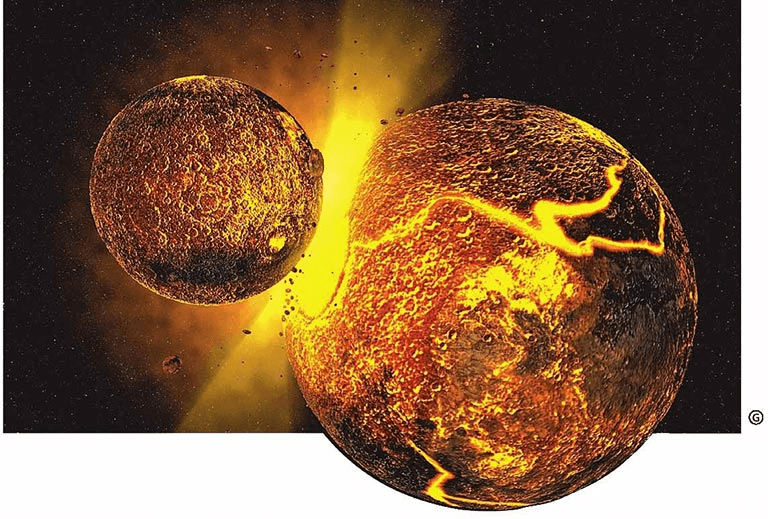
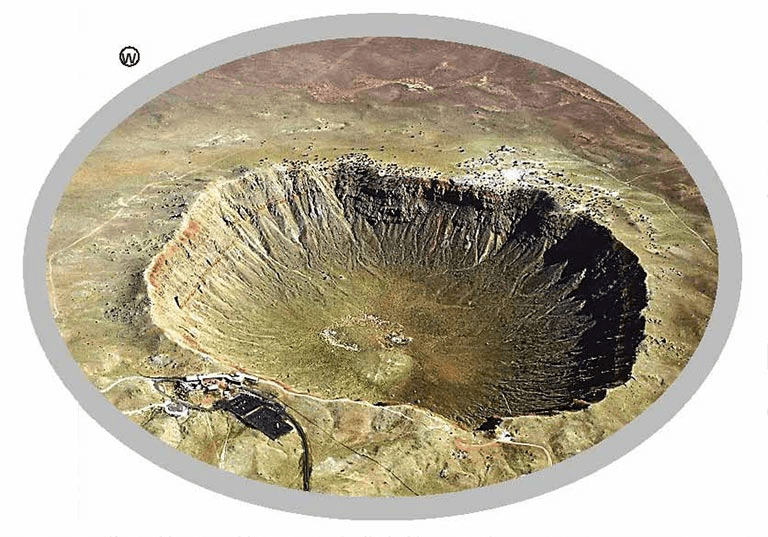
The earth's "childhood" was full of disasters. It was baked at high temperatures and hit by meteorites. The surface of the earth formed a magma sea above 2000 degrees Celsius (about 1700℃), which was not suitable for life. After the large-scale impact ended 3.8 billion years ago, the earth became slightly more peaceful. Although there were small impacts in the future, life evolved tenaciously and mass extinctions also provided development opportunities for vulnerable organisms.
How was the land formed?

How was the land formed?

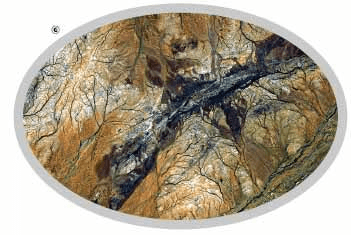
This article focuses on the issue of land formation, showing that the Earth is the only planet in the solar system that has both continental and oceanic crusts. Through research on zircon from Jack Mountain in Western Australia, it is pointed out that the oldest crust of the earth appeared 4.4 billion years ago, and the permanent continental crust was formed in large quantities in the Archean era. It is also mentioned that water is crucial to the formation of the continental crust.
Where does the water on earth come from?

Where does the water on earth come from?

This paper discusses the source of Earth's water, but there is no definite answer at present. It is known that volatile matter precipitation from the magma sea during cooling or mantle exhaust can form primitive water. There is also speculation that it is brought by water-containing comets in the outer solar system; it is also mentioned that the preservation of water requires gravity, magnetic field and other conditions, compared with the lack of water on Mars due to lack of magnetic field.
Is the earth the sun's "child" or "younger brother"?

Is the earth the sun's "child" or "younger brother"?

This paper focuses on the relationship between the earth and the sun, and introduces the nebula hypothesis of the origin of the solar system put forward by the German philosopher Kant in 1755. It explains that the nebula of the solar system formed the sun through processes such as supernova explosion 5 billion years ago, and the collision formation mechanism between the earth and the moon. The final conclusion is that the earth is the sun's "follower" and the moon is the earth's "follower".
Why study the earth?

Why study the earth?

The article "Why Study the Earth" points out that the Earth is the only planet in the universe with humans. It breeds life and contains infinite mysteries. Humanity needs to explore its laws to deal with challenges such as resources and the environment. Earth science is an important support for promoting development and achieving sustainability.