Why does marble have beautiful patterns?
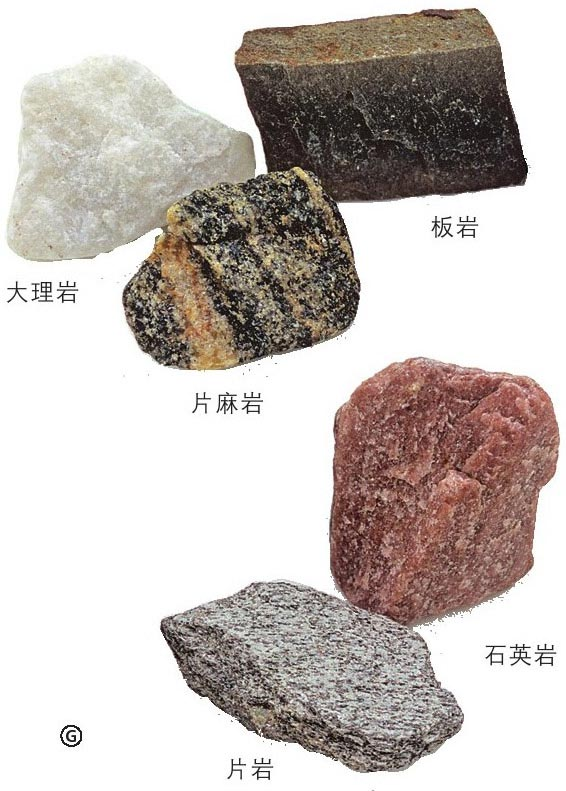
This article explains the reason why marble has beautiful patterns. It introduces that the scientific name of marble is marble. It is a metamorphic rock formed by the metamorphism of limestone. Because different impurities such as magnesium, iron, and clay mixed in the limestone react differently during the metamorphism process, various beautiful patterns are formed on the white marble. At the same time, it is mentioned that marble can be used as a building decoration material, including Taj Mahal, white marble carvings, etc.
Why are rocks so different on earth?
This paper focuses on the question of "why are rocks on the earth so different?" and points out that rocks are composed of various minerals or amorphous compounds in different forms. They can be divided into three categories: igneous rocks, sedimentary rocks, and metamorphic rocks. The formation mechanisms of the three types of rocks are introduced respectively, and it shows that the three major rock types are both obviously different and related to each other, and can transform into each other to form interlocking circular chains.
Why are there beautiful aurora over the polar regions?
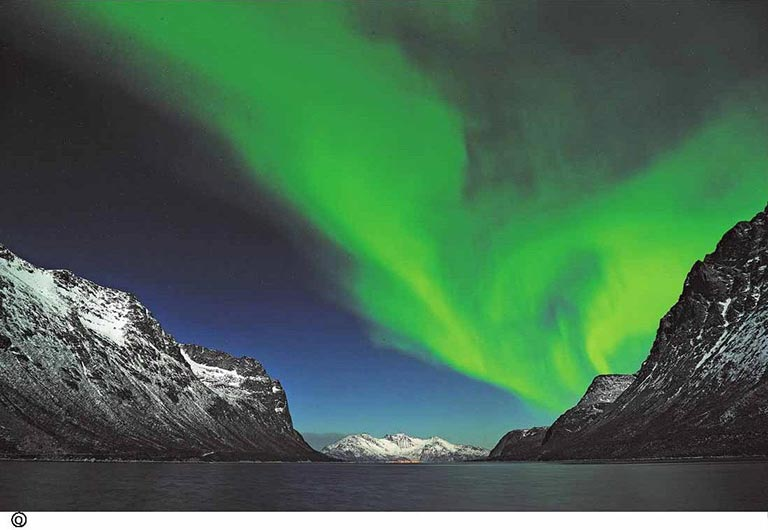
Focusing on the question of "Why are there beautiful auroras over the polar regions", this paper introduces the appearance, origin of their names and relevant historical hypotheses of auroras, and explains in detail the three major elements of the formation of auroras (solar wind, Earth's magnetic field, atmosphere) and the principle of luminescence, explaining the factors influencing the color and intensity of auroras.
Why does the magnetic pole reverse?
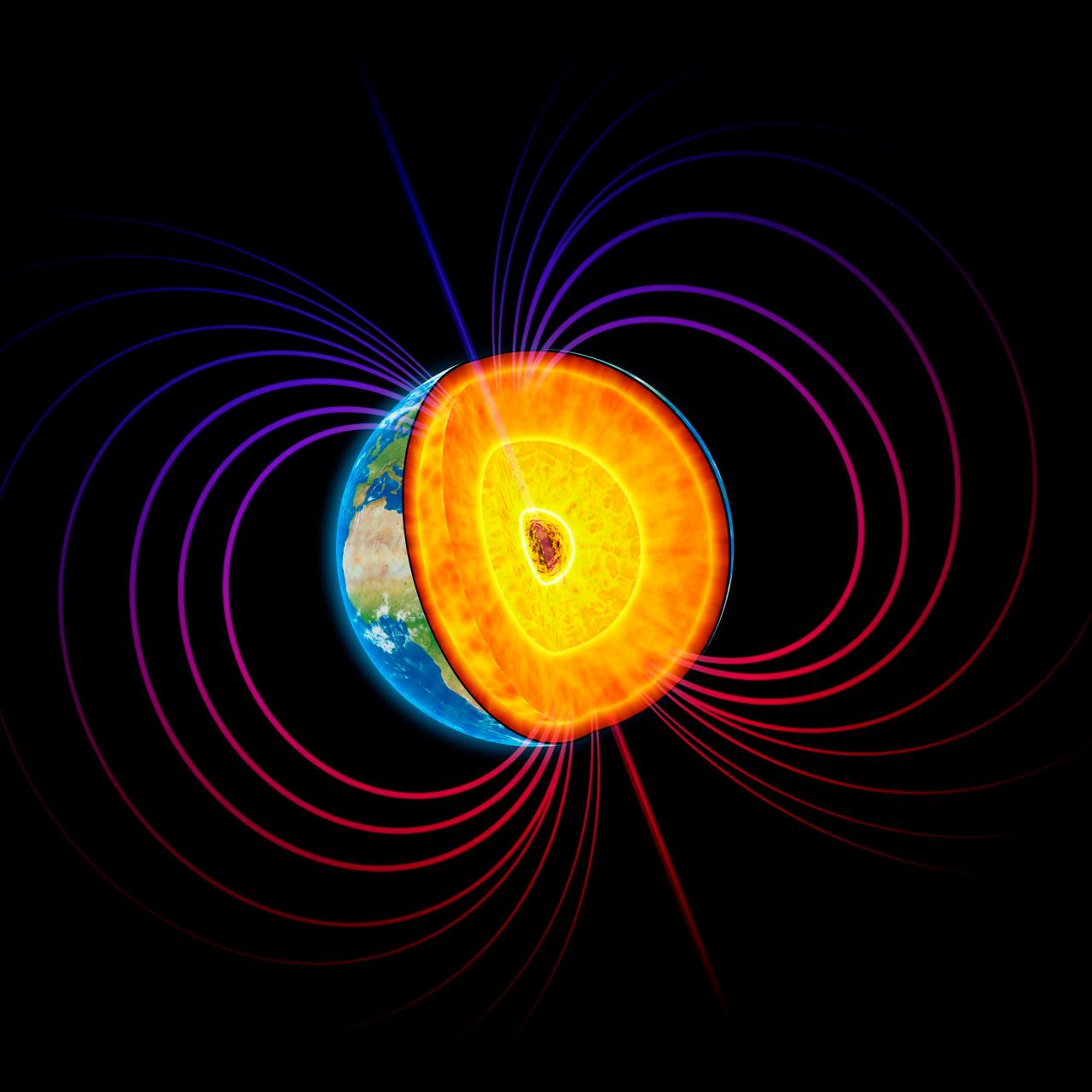
Focusing on the question of "why does the geomagnetic pole reverse", this paper introduces the concept of geomagnetic pole reverse, the occurrence of magnetic pole reverse in the history of the earth, especially in the past 4.5 million years, and the current two mainstream views in the scientific community on the causes and laws of geomagnetic pole reverse, pointing out that scientists have not yet reached a unified conclusion on this.
Why does the earth have a magnetic field?
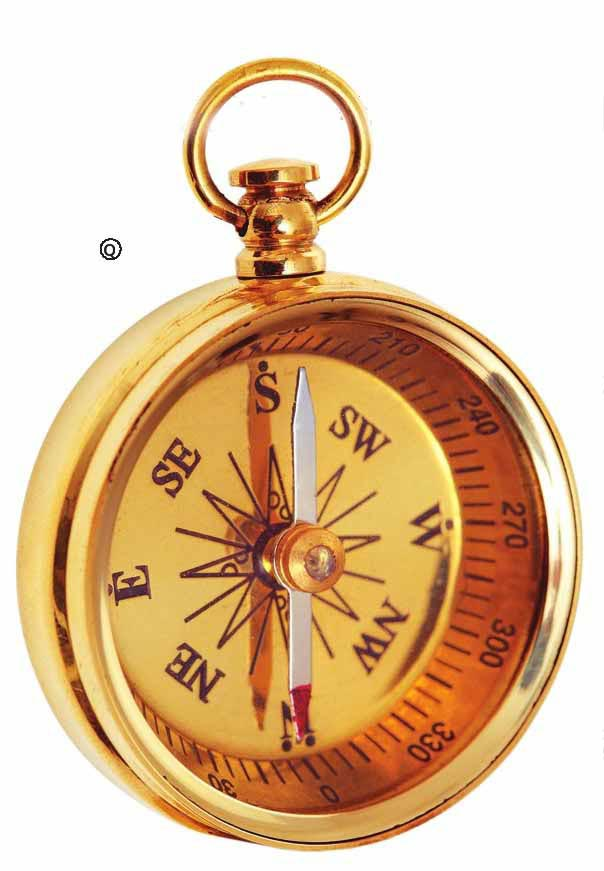
Focusing on the question of "why does the earth have a magnetic field", this paper introduces the important attributes and early applications of the earth's magnetic field, combs various hypotheses explaining the causes of the earth's magnetic field, and focuses on explaining the content, research progress and two major problems that still need to be solved.
How was the composition of the earth's interior revealed?
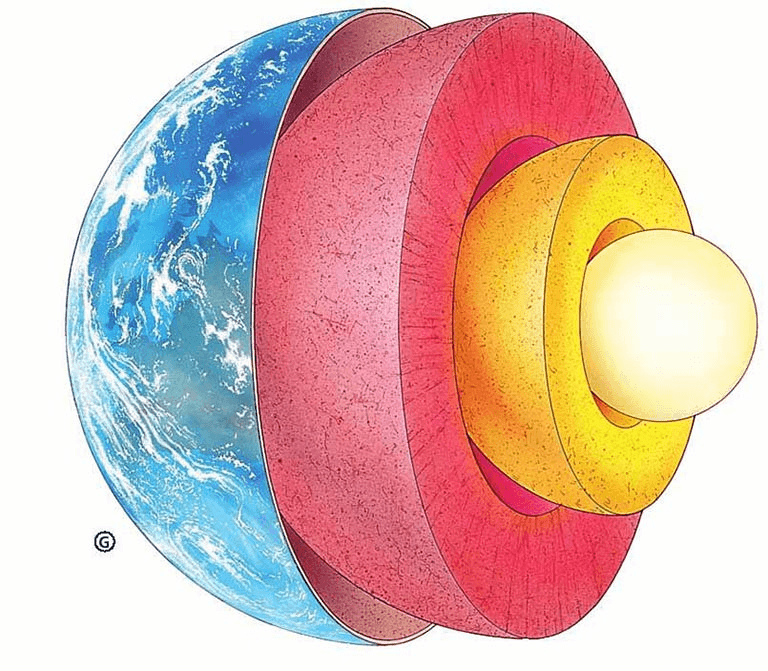
Focusing on the question of how the composition of the earth's interior is revealed, this paper introduces the current situation of limited depth of human drilling into the earth's interior, explains the methods of using surface rocks and xenoliths, seismic waves, and simulated high temperature and high pressure experiments to explore the earth's interior, and explains the current Known conclusions on the main components of the earth's crust, mantle, and core layers.
What elements are the earth made of?
Focusing on the question of what elements the earth is composed of, this paper introduces two methods for studying the average composition of the upper crust and the contributions of relevant scholars. It explains the principle of exploring the overall composition of the earth through the sun and chondrite, and points out that the most important elements of the earth are iron, oxygen, silicon, and magnesium. At the same time, it is mentioned that research on trace elements can reveal the history of the earth's evolution, and takes the mystery of platinum group metals as an example to explain it.
How deep can humans drill into the ground?
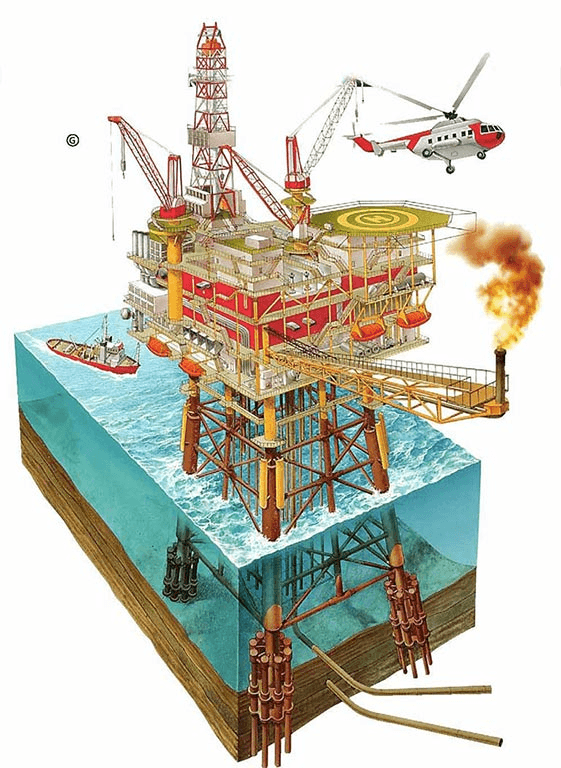
This paper focuses on the depth at which humans can drill underground, pointing out that existing technology can only drill to the earth's crust. It introduces the Moho plan, the specific situation of ultra-deep drilling in many countries, and drilling results, such as confirmation of seabed expansion and discovery of high-temperature resistant anaerobic bacteria in deep underground.
Why is the earth like an undercooked egg?
This paper introduces that scientists use seismic waves to study the interior of the earth. Through the discovery of Moho surface and Gutenberg surface, the earth is divided into crust, mantle and core. After subdivision, the outer core of the earth core is liquid, so the earth is compared to an uncooked egg with liquid outer core. The scientific basis of this analogy is explained.
Why set a standard time zone?
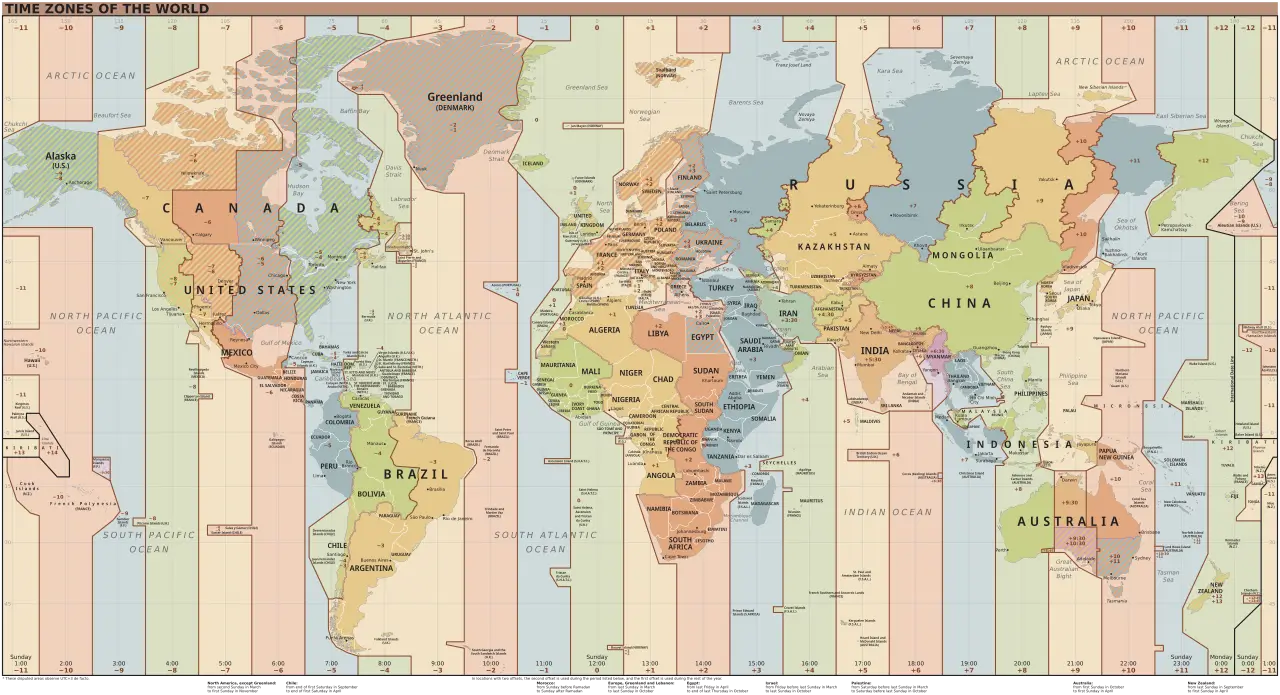
This article focuses on "Why should we set a standard time zone?" It introduces that in the past, people relied on the sun to determine time. In the railway era, traffic chaos was caused due to solar time changing with longitude. Britain took the lead in adopting Greenwich Mean Time, and later, international conferences determined time zone division rules, and countries gradually implemented, China changed from multiple time zones to unified Beijing time and other core contents.
Why does the earth rotate?
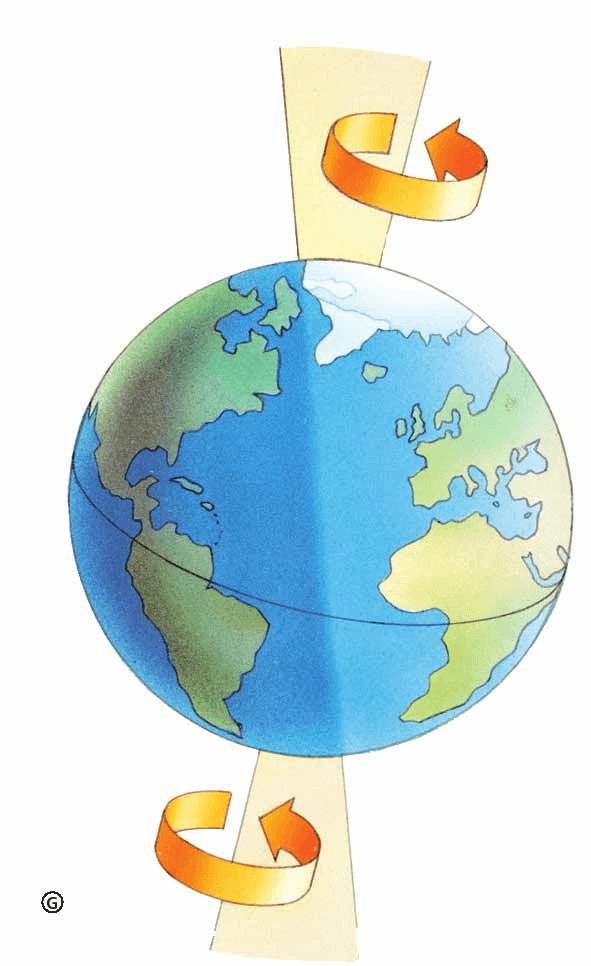
This paper focuses on the reasons for the earth's rotation. First, it explains that the alternation of day and night stems from the earth's rotation and Copernicus's related theories. Then, based on the law of conservation of angular momentum for the formation of the solar system, it explains the rotation of celestial bodies due to the initial rotation and conservation of nebulae. It is also mentioned that the earth's rotation speed will change due to the influence of gravity, internal matter, impact, etc.
How old is the earth?
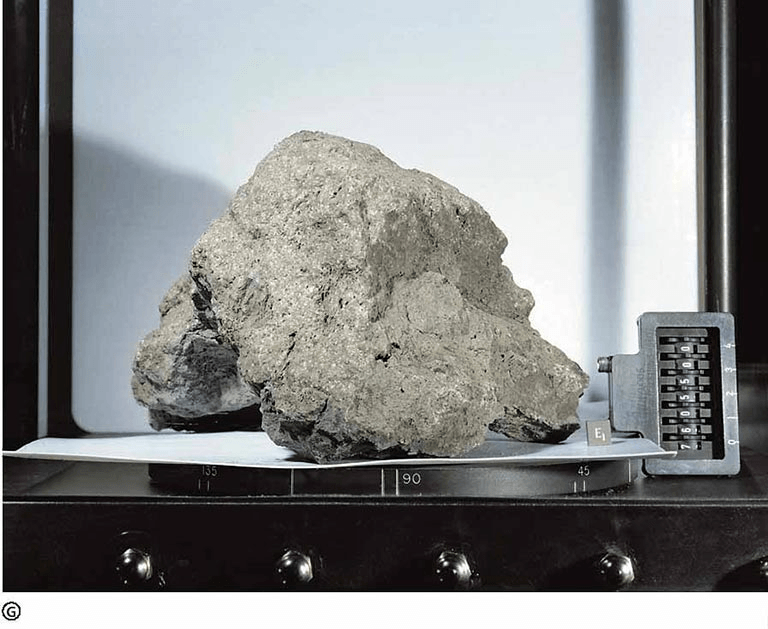
This article sorts out the context of the exploration of the age of the earth: from mythological speculations such as the creation of the sky at Pangu and the creation of Christianity, to early scientific explorations such as Halley and Kelvin (although rough, breaking through religious constraints), to isotope dating methods based on radioactive decay. Finally, the age of the earth was determined to be about 4.57 billion years through meteorites and lunar rocks, and it also involved key nodes in the earth's evolution.