Is the IVF (in vitro fertilization) technology safe?
This article focuses on the issue of whether IVF technology is safe, pointing out that the technology was widely applied in clinical practice without undergoing rigorous safety trials. There are differences between IVF and natural conception in terms of sperm selection methods and in vitro culture environments. Combined with the findings of the IVF mouse maze experiment and the fact that there are about 10% differences in gene expression between IVF babies and ordinary people, the article proposes the need to establish a standardized follow-up mechanism, conduct follow-up research, and build a large-scale database to improve the safety evaluation of this technology.
Who was the first "test-tube baby"?
This article focuses on the question of "who was the first 'test-tube baby'" and introduces the normal human reproductive methods, the birth process and growth situation of the world's first test-tube baby, Louise Brown, the popularization and development of test-tube baby technology, and the related content of Robert Edwards, one of the pioneers of this technology, winning the 2010 Nobel Prize in Physiology or Medicine.
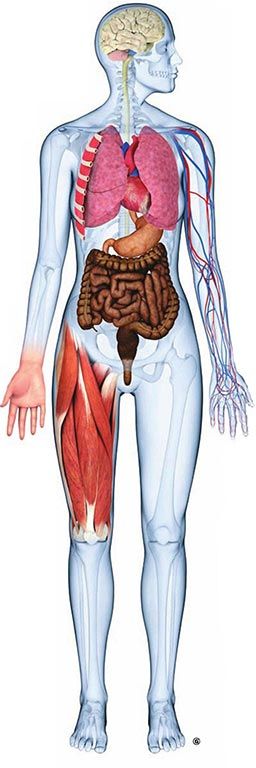
How did you grow inside your mother's body?
This article focuses on the theme of "How You Grew in Your Mother's Body", and from the perspective of the second person, it describes in detail the entire process of human growth and development in the mother's body, from the formation of the fertilized egg by the combination of sperm and egg, through the stages of embryo formation and implantation, embryo differentiation and development, fetal growth, and finally childbirth.
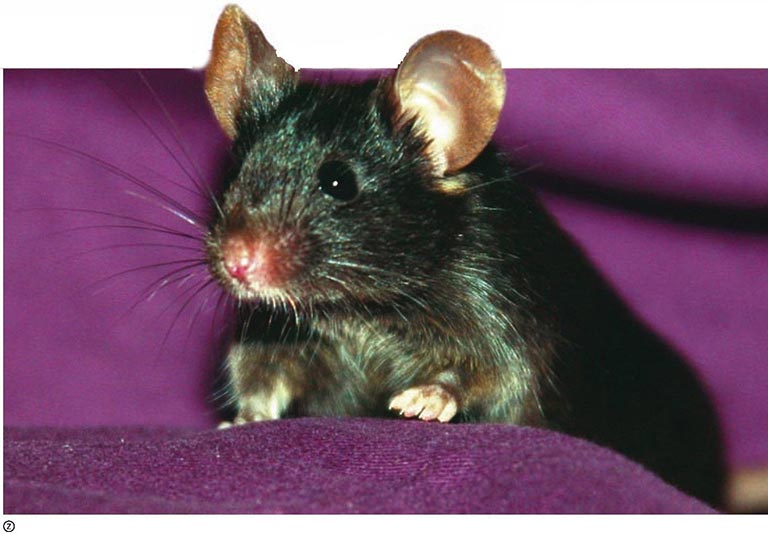
How did China scientists obtain asexual mice?
This article focuses on how China scientists obtained asexual reproduction of mice, introduces the process of using induced stem cell method to cultivate "small" cloned mice, compares the differences between this technology and traditional cell mixed cloning method, and expounds the importance of this achievement, the potential risks of induced stem cell method, and the research progress of subsequent stem cell technology.
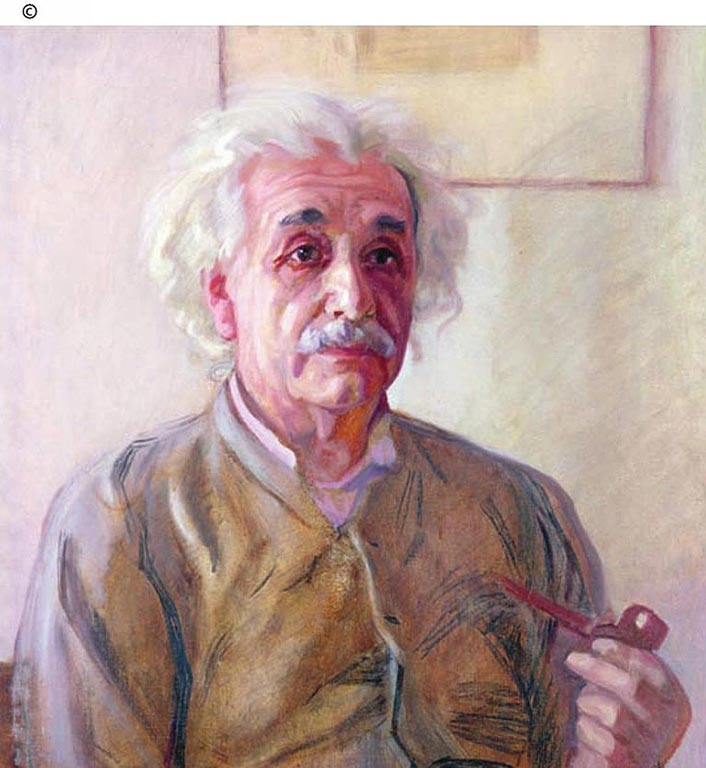
Can Einstein be resurrected by cloning technology?
This paper discusses the question of "Can Einstein be resurrected by cloning technology?" and points out that this idea cannot be realized with the current level of human science and technology. The reason is that cloning technology can only replicate genetic material, but cannot replicate human acquired experience, thoughts and experiences. and other spiritual activities related to content
Can you use mixed cells to realize your dream of "immortality"?
This article focuses on the core issue of whether mixed cells can be used to realize the dream of "eternal life". It introduces the public's imagination about the application of human all-powerful stem cells caused by the cloning of Dolly the sheep, including using all-powerful stem cells to "regenerate" passed children, harvesting organs for use in the human body through freezing embryos to extend life. It then points out that the maker of all-powerful stem cells faces problems such as difficult to define ethical relationships, inconclusive legal inheritance relationships, and possible abuse of technology to endanger society. Therefore, the dream of realizing "immortality" by making mixed cells cannot be realized, and it is called for the good use of this technology to contribute to the development of human science.
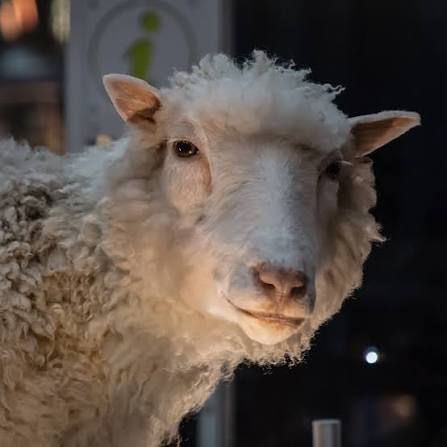
Is "Dolly" exactly the same as the white-faced ewes?
This article focuses on the question of whether "Dolly" and white-faced ewes are exactly the same. It points out that almost all of the genetic material of "Dolly" comes from the nuclei of the mammary cells of white-faced ewes, and only a small amount comes from the mitochondria of the egg cells of black-faced ewes. The amount of genetic material in the mitochondria is insignificant and only serves the function of mitochondria, and has little impact on the physical development and overall characteristics of "Dolly". Therefore,"Dolly" is basically the same as the white-faced ewes of the same age.
Why did "Dolly" sensation the world?
Focusing on the theme of "Why did Dolly make a sensation in the world?" This article introduces the situation that the report on Dolly the sheep published in the British "Times" in 1997 attracted great attention around the world. It details the birth process of Dolly, and points out that Dolly's birth is a milestone in the history of bioengineering technology. It proves that the mixed-cell method can artificially produce alltipotent stem cells. Compared with traditional animal hybridization technology, the related technology takes less time and can stably maintain heterosis. It can also be used for the breeding of endangered rare animals, and is also useful in the medical field.
When will the door to stem cell treatment really open?
Focusing on the question of "when will the door to stem cell treatment be really opened?" This article introduces many results achieved in the clinical application of stem cell technology. At the same time, it points out that the development time of this technology is still short and is currently in the research and experimental stage. Replacement at the organ level is still a distant goal, and we need to be wary of relevant false publicity and hype.
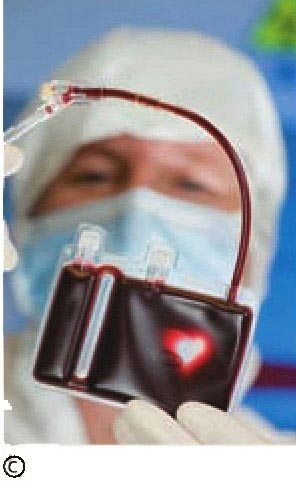
Can stem cells become organ warehouses?
Focusing on the question of "Can stem cells become organs" warehouses "? This article introduces the self-renewal and differentiation characteristics of stem cells, the principles of cell differentiation, the functional limitations of stem cells in the human body, the goals of stem cell technology and related research progress in obtaining stem cells.
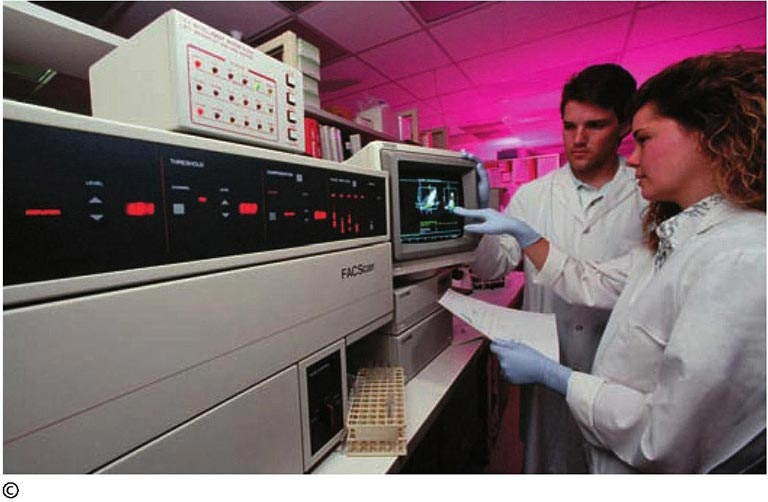
How to get stem cells to "check in"?
The article "How to Get Stem Cells to" Register "introduces the specific method for scientists to isolate stem cells from various types of cells by identifying unique proteins on the surface of stem cells and using antibody fluorescent labeling and electric field deflection technology.
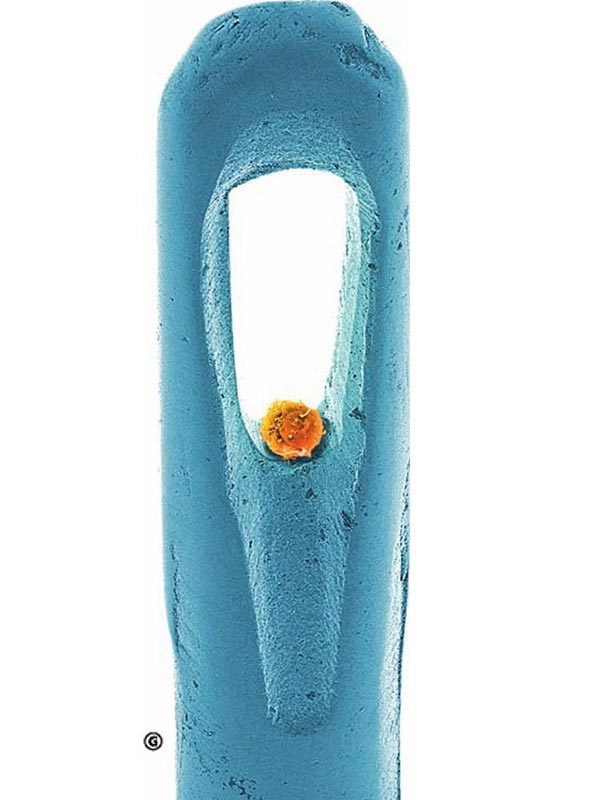
Are "stem cells""dehydrated cells"?
This article focuses on the popular answer to the question of "Are stem cells killed by dehydration?" explains the meaning of "stem" as a trunk in the name of stem cells, and introduces the source of human cells, the classification of stem cells, the characteristics and physiology of asymmetric division., and the application prospects of stem cells in disease treatment and autologous organ cultivation.