Why do telescopes in different wavebands see different starry skies?
This article takes the theme of "Why the starry sky seen by telescopes of different wavebands is different from each other", and explains that since the radiation of celestial bodies is multi-waveband, telescopes of different wavebands can observe different aspects of the same celestial body. Observing with a single waveband is like "a blind man feeling an elephant", and only by combining multi-waveband observations can we gain a comprehensive understanding of celestial bodies.
Why are astronomers so interested in spectra?
This article focuses on the topic of why astronomers are so interested in spectroscopy, introduces the definition and research development history of spectroscopy, explains that spectroscopy can be used to analyze the elemental composition, abundance, and ionization state of celestial bodies, study the evolution of stellar structures, the evolution stages of supernova remnants, and the growth stages of protostars, etc. It also mentions that with the advancement of telescopes and spectroscopic equipment, astronomers have been able to conduct full-band spectroscopic observations, and spectroscopy will reveal more mysteries of the universe.
Why do astronomers always take photos of stars?
This article focuses on the question of "why do astronomers always take photos of stars?" and introduces the development background of astronomical observation from sketching to photography, the three categories and applications of celestial photos, the analytical basis and methods of celestial photos, the reasons for using photography instead of video recording, and the role of astronomical photography technology in promoting the development of astronomy.
Why the bigger the telescope, the better?
This article focuses on "Why is the bigger the astronomical telescope better", explaining that the larger the aperture of an optical telescope, the more faint and weak light it collects, and its ability is 2 million times that of the human eye; at the same time, according to the laws of optics, the larger the aperture, the ability to distinguish celestial details. The stronger it answers the two major advantages of large-aperture telescopes.
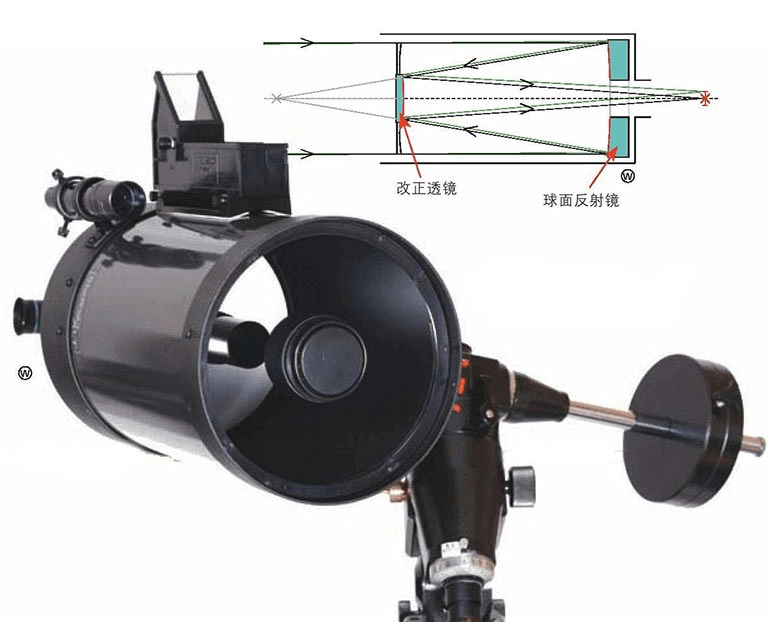
Why do you need catadioptric telescope?
This article focuses on catadioptric telescopes. In the early 20th century, Schmidt designed catadioptric telescopes with special curvature correction lenses. The field of view was large but the lens was difficult to grind; Soviet optician Maksutov switched to a meniscus lens, which was cheaper., widely used in small telescopes. The catadioptric telescope has a large field of view suitable for sky surveys, and there are also many variants used for science popularization.
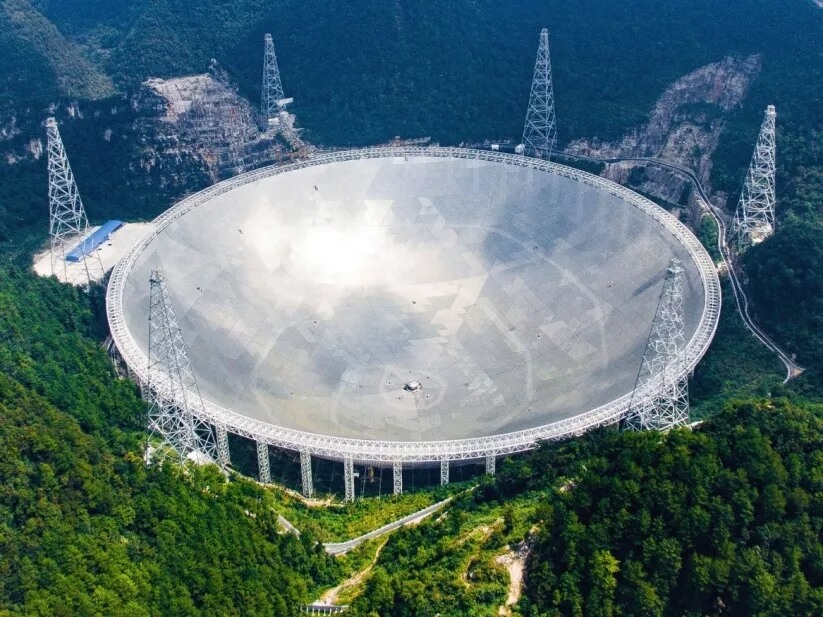
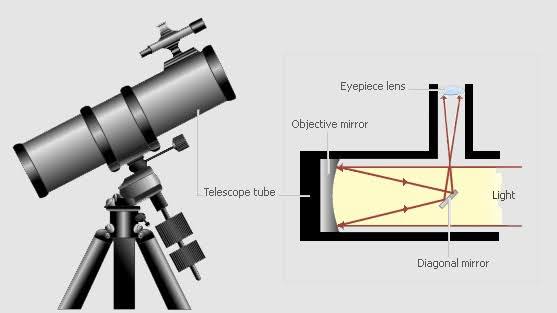
Why are most contemporary large telescopes reflective telescopes?
This paper explains the reasons why most contemporary large telescopes use reflective telescopes: telescopes are divided into two types: refraction and reflection. Refraction has inherent chromatic aberration. When making large apertures, light passes through glass, the requirements are high and the absorption is large. The largest refractive mirror is only 1.02 meters; Reflecting telescopes can be made with large apertures, becoming the mainstream choice for detecting faint and weak celestial bodies.
Who built the first astronomical telescope?
This article revolves around the controversy over the production of the first astronomical telescope: in 1608, Dutch optician Liebersch accidentally discovered that a lens combination could bring distant objects closer, and made the world's first telescope and reported it to the Dutch government, where he received an order from the Navy; neighbor Jensen claimed that it was invented early but was not announced; in 1609, Galileo improved the telescope for astronomical observations based on this.
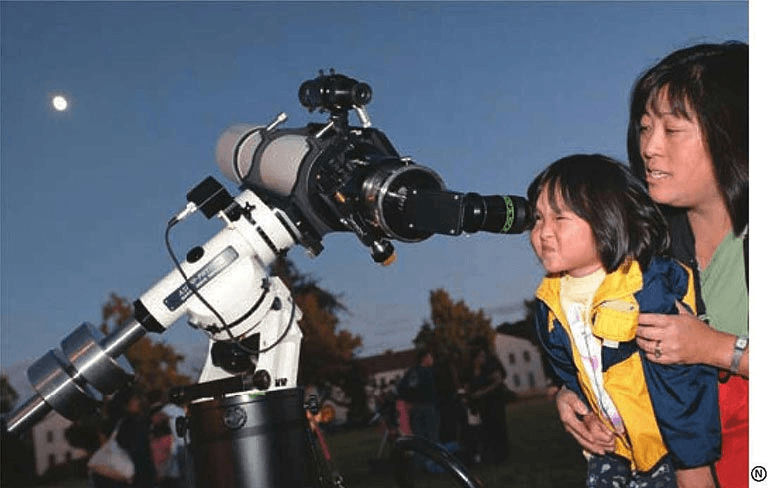
What can you see with an amateur telescope?
This article introduces a variety of celestial bodies that can be observed by amateur astronomical telescopes, such as lunar craters, rings of Saturn, Milky Way constellations, Venus's profit and loss, Jupiter's stripe great red spot, Mars's polar cap, and nebulae and galaxies. It also explains the key points of lens selection, which needs to be combined with observation targets. Select focal length, weigh aperture and portability, and give priority to telescopes with high optical quality, within budget and appropriate aperture, so that the observation efficiency of dim objects can be improved through SLR.
How astronomers worked before the invention of the telescope?
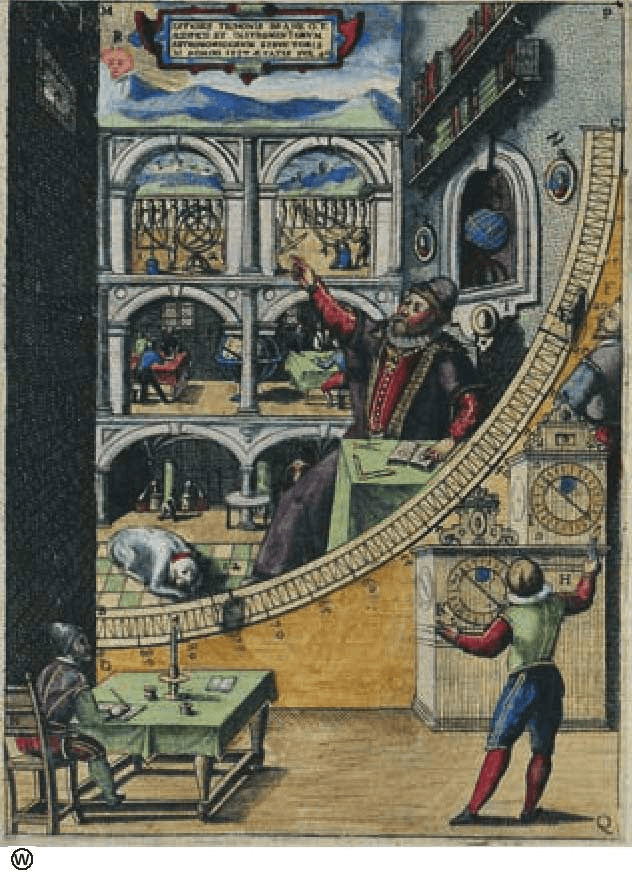
This article introduces that before the invention of telescopes, astronomers relied on classical instruments such as the gustrum, armillary sphere (including the Yuanyou armillary sphere of the Northern Song Dynasty), and Tycho Wall Quadrant. These instruments can measure time and determine celestial coordinates. Among them, the Water Transport Instrument Observatory pioneered the active roof of an observatory and helped Kepler derive the laws of planetary motion.
Why do some stars never set and some stars never rise?
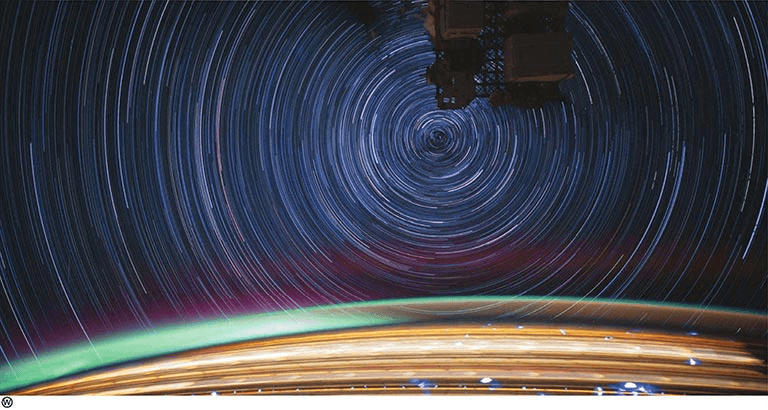
This article explains that the latitude at which the observer is located determines the rising and falling laws of stars: stars near the north celestial pole at 40° north latitude in the northern hemisphere (such as Beijing) never fall, and stars near the south celestial pole never rise; no visible stars in the north pole fall, stars in the southern hemisphere do not rise, and there is no such phenomenon at the equator. The star trajectory map can visually present this law.
How long is a day?
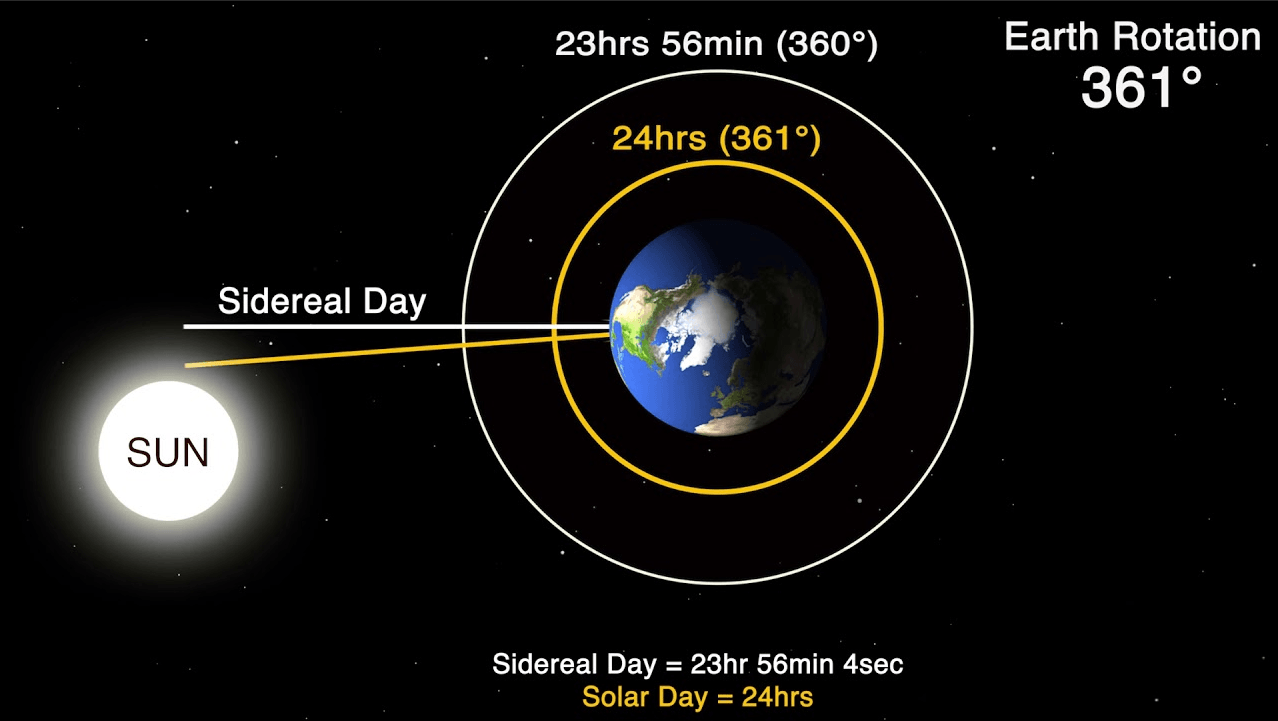
This article discusses the "length of a day" and introduces the difference between "solar day" and "sidereal day" defined by astronomers: the solar day is about 24 hours, and the sidereal day is about 23 hours and 56 minutes. The former includes the comprehensive effect of the Earth's revolution and rotation, and the latter only includes rotation. It was also mentioned that atomic clocks found that there were small seasonal changes in the earth's rotation that were invisible to humans.
Why does the length of day and night always change?
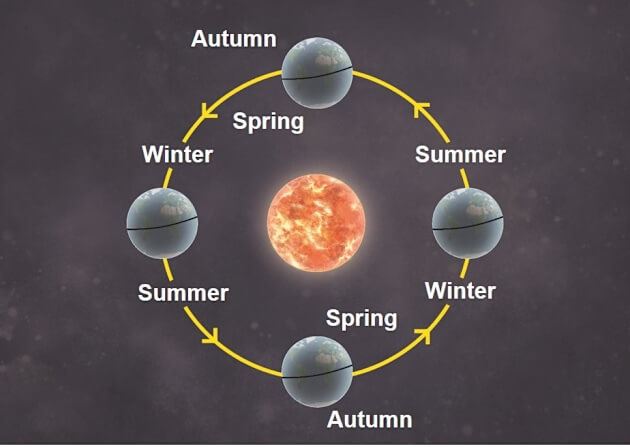
This paper explains the cause of the change in the length of day and night: the earth's rotation has an angle of about 23.5° between the equatorial plane and the orbiting ecliptic plane. During the revolution, the direct point of the sun moves, resulting in differences in the length of day and night in the four seasons in the northern and southern hemispheres; the equatorial day and night are equal throughout the year, and the poles have half a year of polar day and polar night, with obvious changes in mid-high latitudes (such as Hainan Island, Mohe and other places)