Why does the heart produce an electrocardiogram?
This article focuses on the principle of the heart producing electrocardiogram, and combs the early discovery and exploration of bioelectricity phenomena: from the ancient Greek scholars 'observation of electric shocks to Galvani and Volta's debate on bioelectricity, Matteucci's proof quelled the controversy and developed cardiac electrophysiology. Eintopine promoted the clinical application of electrocardiogram, which finally demonstrated that the potential difference formed by the ion activity of myocardial cells constituted the basis of electrocardiogram and could diagnose heart diseases.
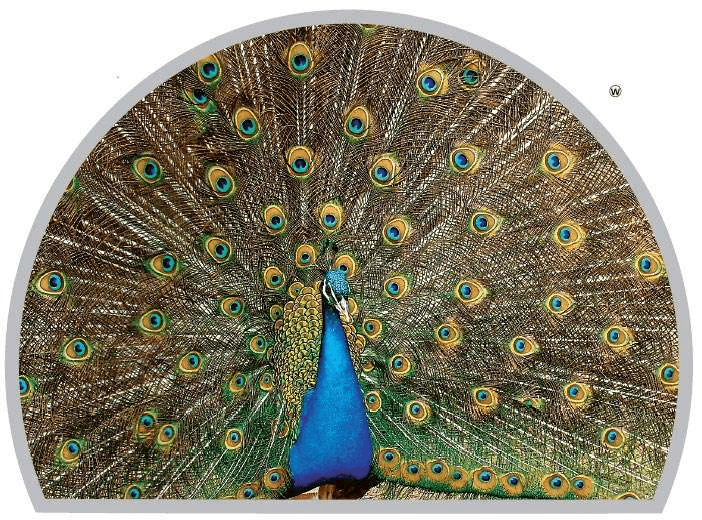
Why are peacock feathers so colorful?
This paper discusses the reasons why peacock feathers are colorful. The color comes from structural color rather than plain color. In the optical structure of the cortex of the feather branches, the difference in the distance between melanin pillars and the iridescent effect form different colors. The structural color has unique characteristics and has important application prospects in biological biomimetic, photonic materials and other fields.
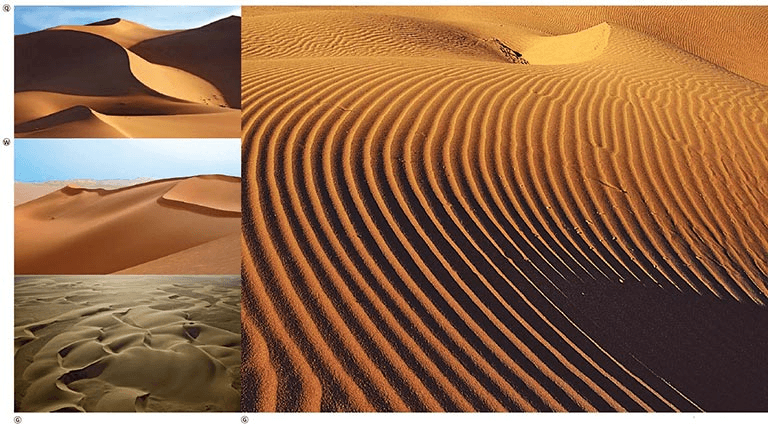
Why do sand dunes all over the world grow the same?
Deserts account for 1/3 of the earth's land area, and sand dunes are a common landscape in deserts. Sand dunes around the world are diverse in shapes but only consist of a few basic types. Their formation is related to factors such as wind force and sand texture, including crescent shapes, transverse shapes, etc. The shape of seabed sand dunes is similar. Martian sand dunes can help study the Martian climate and surface conditions.
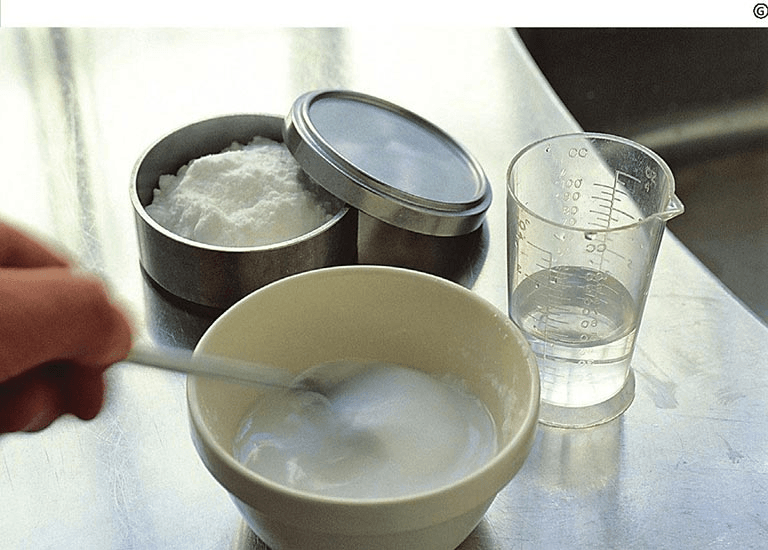
Why is it easier to stir the water, but the batter becomes more difficult to stir?
This paper explains the contrast phenomenon between water and batter when stirring. Water belongs to Newtonian fluid, and centrifugal force forms a concave vortex, so it is easier to stir; batter is non-Newtonian fluid and has the Weisenberg climbing bar effect. The viscosity increases with the increase of shear force, so the more difficult it is to stir
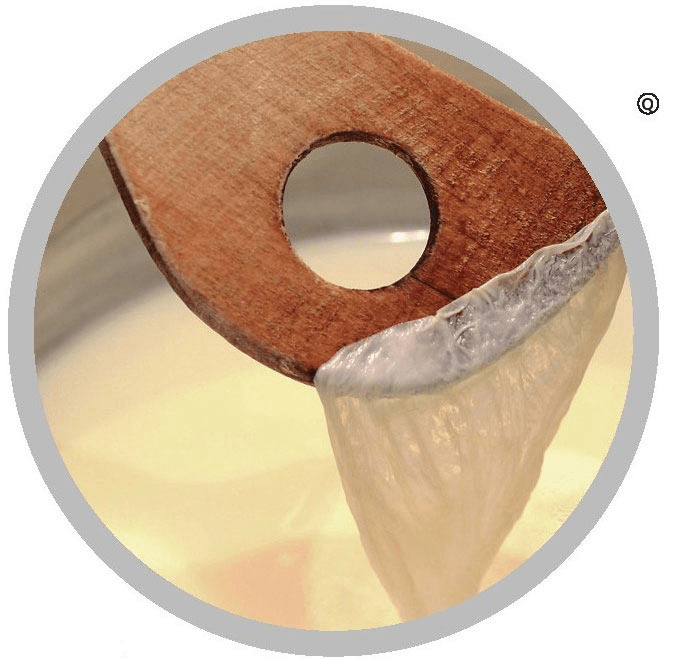
Why does a thin layer of skin appear on the milk?
This article explains the cause of thin skin on the surface of milk after heating and cooling. Because the lipase in milk breaks down fat globule membrane protein and releases free fat globule. Heating accelerates decomposition and reduces viscosity, making fat globule easily float. In addition, surface water evaporates, fat and protein (mainly lactalbumin) are solidified. The milk skin has high nutritional value.
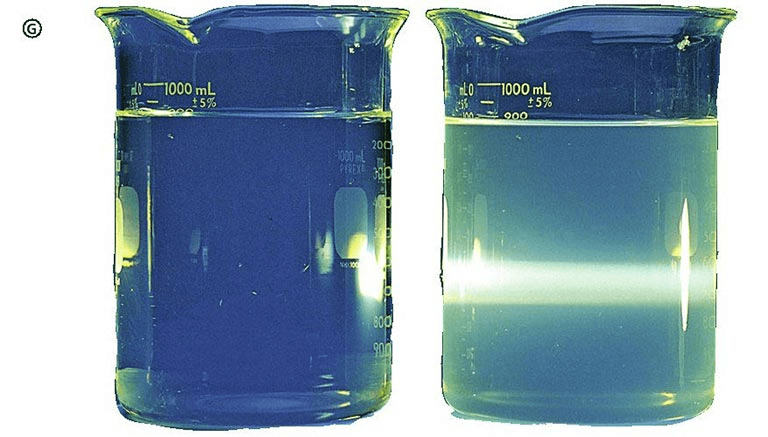
Why does a bright path appear when light passes through milk?
This article explains the phenomenon of light passing through diluted milk and forming a bright path, which is called the Tyndall phenomenon. The British physicist Tyndall explained that the principle is that fat and protein particles in milk scatter light. Compared with pure tap water, there is no such phenomenon. Examples are also given. Tyndall phenomenon in life such as urban laser beams.
Why does jelly not melt at room temperature?
This article explains the principle that jelly does not melt at room temperature: jelly is made by adding a thickener (gelatin, agar, etc.) to water, sugar, and fruit juice. The polymer structure of the thickener increases the viscosity coefficient of the solution, making it in a semi-solid state, so it will not melt at room temperature. If the viscosity coefficient is reduced when heated, it will change back to the liquid state.
Why does it foam when adding detergent when washing dishes?
This article explains the reason why detergent can foam when washing dishes. The core component of detergent is a surfactant containing hydrophobic and hydrophilic groups; when washing, it wraps the crushed oil stains to form oil droplets, and the airflow enters the wrap to create bubbles. At the same time, the surfactant reduces the surface tension of water and keeps the foam stable.
Why can sailboats sail against the wind?
When sailing against the wind, the wind force acts vertically on the sail. Through the decomposition of force, it generates a forward thrust. By adjusting the course in a zigzag pattern, it is possible to achieve sailing against the wind.
Why could Native Americans kill prey from tens of meters away with blowgun darts?
Native American blowgunners utilize the principle of accelerating from coarse to fine air flow to shoot arrows. Combined with biological toxins, they can quickly paralyze and hunt high-altitude prey from a long distance.
Why can fire hoses spray high-speed water jets?
Fire hoses use small nozzles based on fluid mechanics to increase the speed of water flow. High-pressure water can extinguish fires and has also been used in wars to clear mines and break through defenses, playing a crucial role.
Why does the phenomenon of "an unmanned ferry crossing with a boat adrift on the water" occur?
This principle is one of the theoretical foundations for the study of navigation stability in modern navigation and aerospace technologies.