How do dioecious cryptogammes reproduce?
This paper focuses on the reproduction of dioecious cryptogammes. Taking fig and fig wasps as examples, we introduce the one-to-one exclusive mutualism relationship formed by the two through long-term co-evolution, and the fig wasps rely on fig wasps to complete pollination and reproduction. Specific mechanism
What is the "generational alternation" of plants?
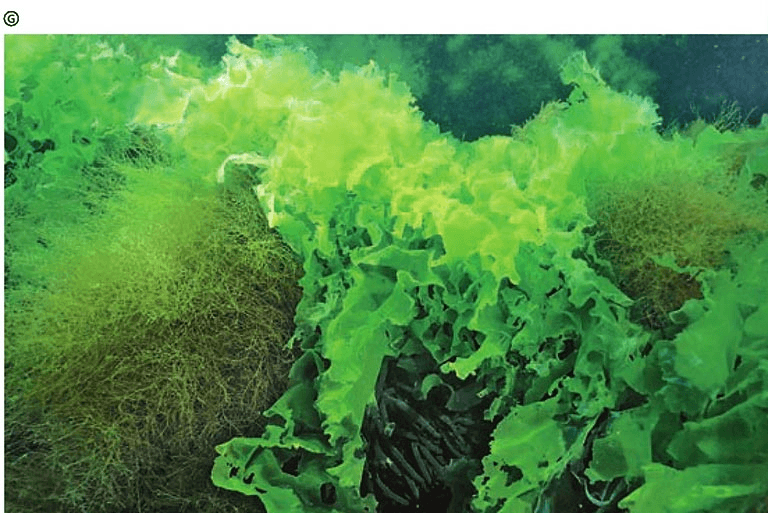
This paper focuses on what is the "generation alternation" of plants. Taking Ulva lactata as an example, it explains the process and definition of plant generation alternation, introduces the classification and evolutionary characteristics of homogeneous generation alternation and heterotypic generation alternation, and explains that the generation alternation after plants land. Along the direction of more and more developed sporophytes becoming more and more simplified.
Who was the first plant to "swim ashore"?
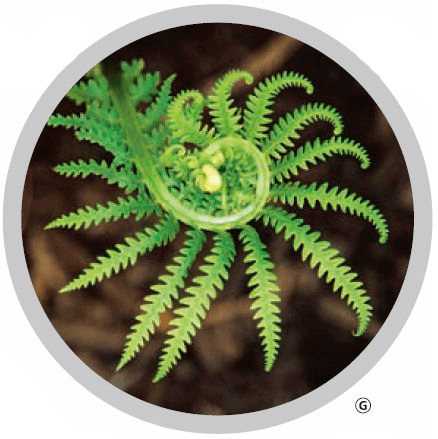
Focusing on the question of "Who was the earliest plant to" swim ashore ", this paper introduces the evolution process of the earliest naked fern plant that landed on the land from shallow algae, its history of dominating the land, its morphological and structural characteristics, the importance of landing, and the subsequent evolution and development and the existing surviving descendants.
Who are the ancestors of bryophytes?
This paper focuses on the question of who the ancestors of bryophytes are. Due to the lack of reliable fossil evidence, scientists can only speculate on their origin based on the body structure of bryophytes. They mainly form two hypotheses: the direct evolution of algae and the degeneration of the primitive fern naked ferns. It also points out that bryophytes are blind branches in plant evolution, and their evolutionary direction runs counter to that of other higher plants.
Can modern ferns evolve into seed plants?
Focusing on the question of "Can modern ferns still evolve into seed plants?" This paper expounds the basic laws of biological evolution on earth and the one-way irreversible nature of evolution, and combines the changes in the organ structure of modern ferns and the current natural conditions and the period of emergence of seed plants. Differences, it is concluded that modern ferns cannot evolve into seed plants.
What is the evolutionary tree of plants?
This paper focuses on "what is the evolutionary tree of plants", explains the definition and construction basis of a plant evolutionary tree (also known as a plant systematic tree), and combs the evolution of the plant kingdom from the emergence of prokaryotes 4 to 3.5 billion years ago to the present day in chronological order. Angiosperms dominate the evolution of the plant kingdom.
Why does eye worm have two "passports"?
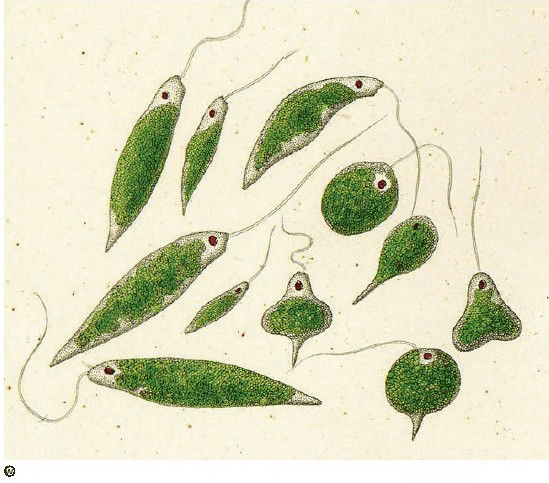
Focusing on the question of "Why does Euglena have two" passports "? This article introduces the single-celled organism Euglena, which has both the characteristics of animals and plants. It was classified as Euglena by zoologists and named as Euglena by botanists respectively. It has two" passports "when classified as the plant kingdom and named as Euglena. It is currently generally believed that these organisms are the common ancestors of animals and plants.
What is the difference between plants and animals?
Focusing on the issue of differences between plants and animals, this paper introduces the simple differentiation standards and existing exceptions based on mobility, appearance characteristics, and growth form by ancient people. It expounds the core differences in cell structure (cell wall, vacuole, chloroplasts, etc.) of animals and plants discovered after the invention of the microscope. It also explains the differences in heterotrophic and autotrophic methods of absorbing matter and energy between the two and exceptions to some heterotrophic plants.
Can humans survive without plants?
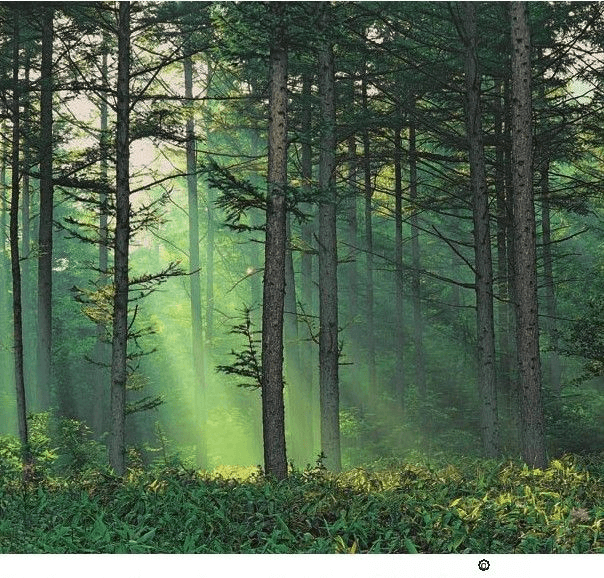
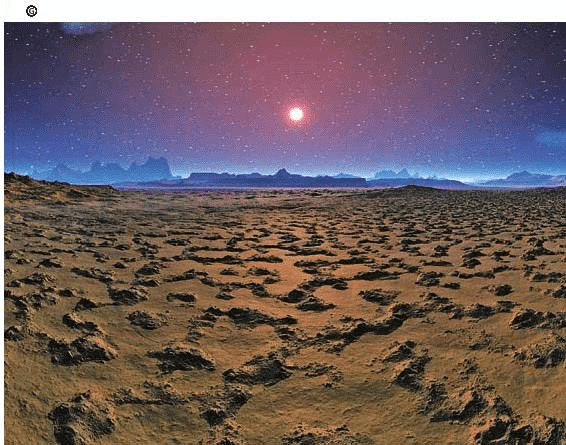
This paper focuses on the question of "Can humans survive without plants?", introduces the concept of vegetation by comparing the environmental differences between the earth and the moon, and explains the key role of plants in the survival of humans and all organisms on the earth from aspects such as oxygen supply, food supply, water and soil maintenance, ecological balance, and biomimetic applications. It points out that there are still many issues that have not been fully understood in the field of plant research, and calls on people to establish awareness of understanding, utilizing and protecting plants from childhood. Stimulate interest in studying plants.