What are the abilities of plants to resist drought?
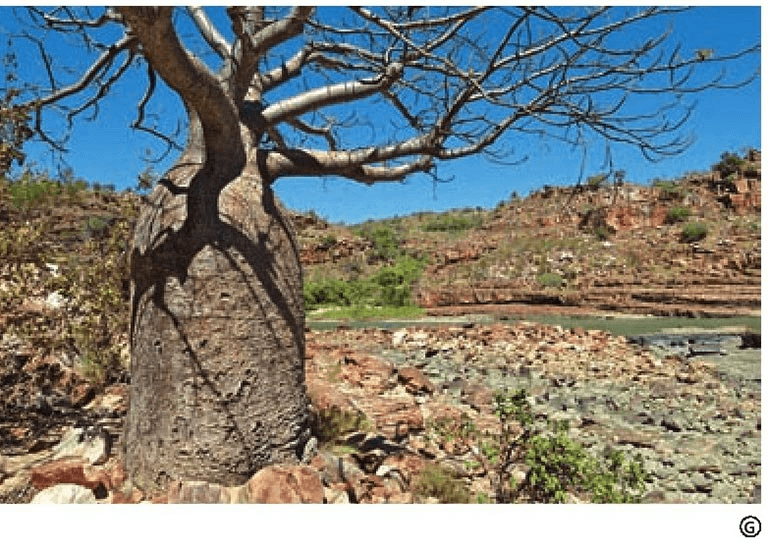
This paper focuses on the drought-resistant ability of plants. It introduces that plants are divided into three categories: aquatic plants, xerophytes, and mesophytes according to their water demand. It also explains in detail the three drought-resistant abilities of xerophytes to adapt to extreme drought environments. Finally, it points out that drought-tolerant plants in deserts are either slow to grow or have a short lifespan.
Why can water "climb" a 100-meter-high tree?
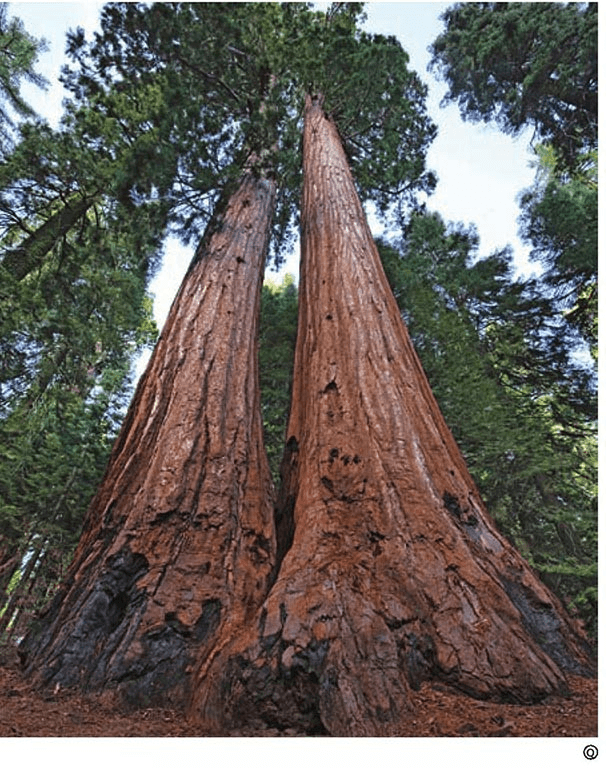
This paper focuses on the question of "why can water 'climb' a 100-meter-high tree?" Taking Sequoia trees as an example, it explains the water in the tree from aspects such as pulling force, water filament firmness, conduit resistance, root pressure thrust, etc. The principle of upward transportation in the middle, and it is calculated that the limit height of tree growth is about 122 - 130 meters.
Who was the first person to discover silver fir?
Focusing on the question of "who was the first person to discover Argyrus argenina", this article reviews the wild plants of Argyrus argenina, which were once determined to have been extinct, were first discovered by Professor Zhong Jixin in the 1950s, and were identified and named by Professors Chen Huanyong and Kuang Keren, and the subsequent complete process of discovering Argyrus argenina communities in many places in China.
Why are silver fir the giant panda of the plant world?
Focusing on the question of "Why are you saying that Argenia argenina is a giant panda in the botanical kingdom", this paper introduces that Argenia argenina is extremely precious because it is a rare ancient relic plant with a narrow distribution area. It also explains the survival history of Argenia argenina and the measures taken by my country to protect Argenia argenina. Measures such as establishing nature reserves and carrying out reproduction and introduction tests.
Why is this plant named "Polygonum multiflorum"?
This article focuses on the question of "why is this plant named Polygonum multiflorum" and introduces that Polygonum multiflorum, as a commonly used traditional Chinese medicine, has the effects of replenishing essence and blood, blackening hair, and strengthening bones and bones. It explains that its name originates from the original name Jiaotang recorded in Li Shizhen's "Compendium of Materia Medica" of the Ming Dynasty. The plant is named because the folk miracle Polygonum multiflorum was still dark at the age of 130 after taking it. At the same time, it is mentioned that more than 200 plant names have been recorded in my country's "Shan Hai Jing" more than 2000 years ago. Most of the plant names handed down from ancient times to this day are closely related to life, with the most Chinese herbal medicine names, and there are also many legendary names, such as Bolei, Gangbangui, etc.
Why do plants need scientific names?
Focusing on the theme of "Why should plants have scientific names", this paper introduces the confusion of plant common names with multiple names and multiple names due to factors such as geographical isolation and changes of the times, and explains the relevant provisions of the International Plant Naming Code formulated to solve this problem, as well as the dual-name naming rules and specific requirements for plant scientific names.
Why are bryophytes often used as indicator plants in ecosystems?
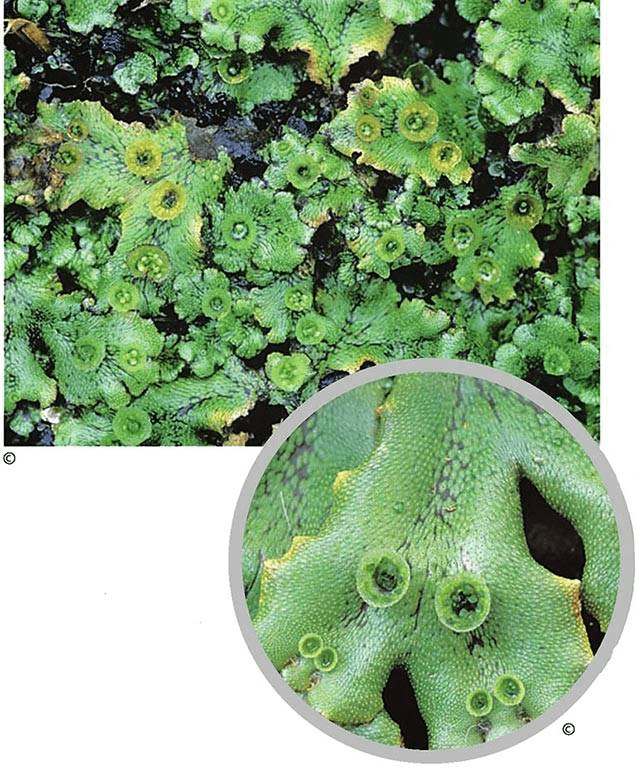
This paper focuses on the reasons why bryophytes are commonly used as indicator plants in ecosystems. Due to the structural characteristics of bryophytes that their leaves are mostly single layer or a few layers of cells and their stems and leaves are not protected by waxy cuticle, their sensitivity to environmental changes can reach 10 times that of seed plants. They can quickly sense air pollution. In addition, they are easy to obtain materials and simple and economical. Pollution grading maps can also be drawn by investigating their types and growth conditions to reflect the degree and scope of air pollution. Therefore, it is widely used as an indicator plant of environmental changes.
Why don't bryophytes grow tall?
This paper focuses on the problem of low growth of bryophytes. First, it introduces the characteristics of bryophytes that are short, widely distributed, common but receive little attention. Then, by comparing them with plants with vascular bundles, it explains that bryophytes cannot synthesize lignin to form vascular bundles., lack of a long-distance water transport system, and can only rely on stems and leaves to absorb water and nutrients from the outside world, so they are generally only 1 - 10 cm tall.
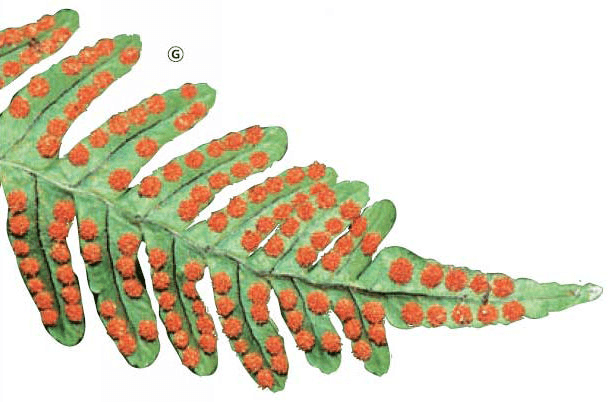
Why are there many "eggs" on the back of fern leaves?
Focusing on the question of "Why are there many 'eggs'on the back of the leaves of ferns?" This paper introduces the basic attributes and evolutionary status of ferns, explains that the egg-like structure on the back of the leaves is actually the sporangia group of ferns, explains the principle of ferns relying on spores to reproduce, and lists the diverse forms of sporangia group of different types of ferns.
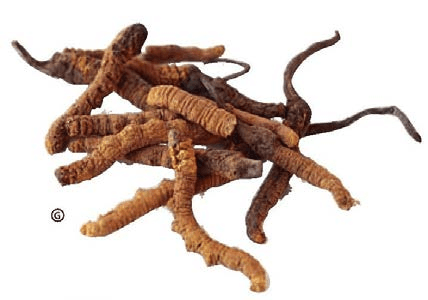
Is Cordyceps sinensis grass or insect?
This article focuses on the answer to the question of "Is Cordyceps sinensis grass or insect?", explaining that Cordyceps sinensis is neither insect nor grass. It is an insect and fungus combination formed by fungi belonging to the genus Cordyceps parasitizing in the larvae of Happerus moth. It also introduces the formation process and cycle life history of Cordyceps sinensis.
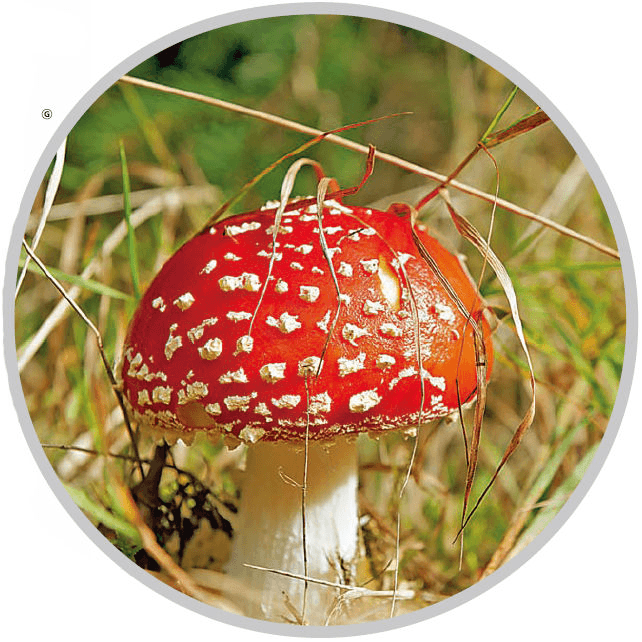
Are the brighter the mushrooms, the more toxic they are?
Focusing on the question of "Are the brighter the mushrooms, the more poisonous they are?" This article introduces the types of mushrooms and the difficulty of identification, clarifies the erroneous perception that "the brighter the mushrooms, the more toxic the mushrooms are", and describes the empirical identification method of poisonous mushrooms, edible mushrooms. Safety guidelines, as well as the toxicity of different types of poisonous mushrooms and the various harms to the human body after being eaten by mistake.
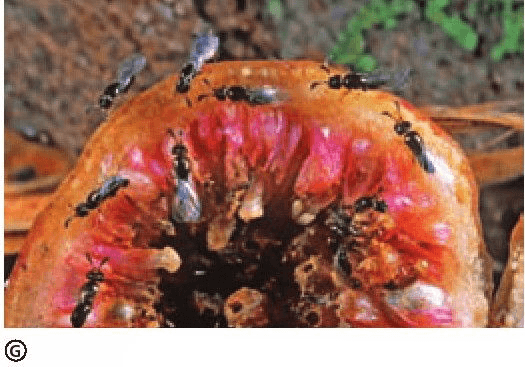
Why does its unattractive hidden flowers attract fig wasps?
This article focuses on the question of why the unattractive hidden flowers attract fig wasps. Scientists analyzed the volatiles from the hidden head of fig and the behavioral response of fig wasps to the volatiles, and found that fig wasps achieved exclusive attraction to pollinating fig wasps by releasing a single uncommon volatile compound, thus establishing a specific symbiotic relationship between the two, and taking the research results related to dioecious chicken crops as an example to support this conclusion. At the same time, it is pointed out that whether similar phenomena exist among other species still require more exploration and discovery.